For more than 15 years, I have navigated the winding, mist-shrouded roads of the Virunga Mountains, watching Rwanda transform from a hidden gem into Africa’s most sophisticated luxury ecotourism destination. If you are researching gorilla trekking in Rwanda, you aren’t just looking for a vacation; you are preparing for a profound, soul-stirring encounter with our closest cousins.
As we look toward the 2026 season, the landscape of a Safari Uganda Safari or a Rwanda expedition has evolved. It is no longer just about the “one-hour encounter.” It is about a holistic journey—from the vibrant, clean streets of Kigali to the prehistoric canopy of Volcanoes National Park. This guide is your expert roadmap to planning the perfect 2026 trek.
Why 2026 is the Year for Rwanda
In 2026, the global travel focus is on “Purposeful Luxury.” Travelers want to know that their presence actively supports conservation. Rwanda’s model is the gold standard: with permits priced at $1,500, the revenue ensures that mountain gorilla populations—once on the brink of extinction—continue to thrive.
The Ease of the “Compact Circuit”
One of Rwanda’s greatest advantages over its neighbors is geography. Unlike the sprawling landscapes of a Safari Uganda Safari, where travel times between parks can take an entire day, Rwanda’s key highlights are all within a scenic 2.5 to 3-hour drive from the capital. You can land in Kigali, enjoy a world-class dinner, and be at the park headquarters for your briefing the very next morning.
1. Gorilla Tracking-Rwanda: The Essential Planning Steps
Planning a trek in 2026 requires a mix of early logistics and realistic expectations. Here is how to build your itinerary from the ground up.
Step 1: Securing Your Permit (The “Anchor” of Your Trip)
There are only 96 permits available per day in Rwanda. For the 2026 peak seasons (June–September and December–February), I recommend booking 8 to 12 months in advance.
- The Cost: $1,500 USD per person.
- The Benefit: This fee includes park entrance, expert trackers who stay with the gorillas all day, and armed rangers to ensure your safety.
- Pro Tip: In 2026, look for the “promotional” rates of $1,050, which are occasionally offered if you combine your trek with a visit to Akagera or Nyungwe National Parks for at least two nights.
Step 2: Choosing Your “Season”
While gorillas can be tracked year-round, the experience changes significantly with the weather:
- The Dry Seasons (Best for Ease): June to September and December to February. Trails are less muddy, and the hike is physically less demanding.
- The Wet Seasons (Best for Photographers): March to May and October to November. While the trekking is tougher, the air is clear of dust, and the forest is a vibrant, cinematic emerald green.
2. What to Expect on “Trek Day”
A typical day starts at 7:00 AM at the Kinigi Park Headquarters. You will be assigned to a gorilla family based on your fitness level.
The Hike: Intimacy Over Distance
The hike can last anywhere from 30 minutes to 4 hours. You will be moving through thick bamboo and ancient mahogany trees.
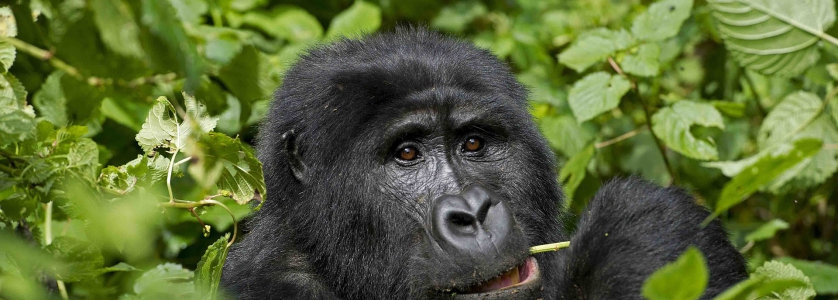
- The Encounter: Once you find the group, you have exactly one hour. You will see infants playing, mothers grooming, and the majestic Silverback—who can weigh over 400 pounds—keeping a watchful eye.
- The Mask Rule: In 2026, masks remain mandatory during the actual hour with the gorillas. This is to protect them from human respiratory illnesses, as we share 98.4% of our DNA.
3. Beyond the Mist: Crafting a 2026 Itinerary
To make your journey truly “Ultimate,” don’t stop at the gorillas. A well-rounded safari in Rwanda should look like this:
| Day | Activity | Why It’s Essential |
| 1 | Kigali Arrival | Visit the Genocide Memorial for a deep cultural context. |
| 2 | Transfer to Musanze | Enjoy the scenic “Land of a Thousand Hills” drive. |
| 3 | Gorilla Trekking | The life-changing hour in Volcanoes National Park. |
| 4 | Golden Monkeys | A playful, high-energy contrast to the stoic gorillas. |
| 5 | Transfer to Akagera | Transition from the mist to the savannah for a Big Five safari. |
4. Expert Editorial Policy and Research Integrity
Our travel guides are built on a foundation of “boots-on-the-ground” expertise.
- Direct Vetting: Every lodge and trail we recommend is personally visited by our team to ensure it meets 2026 safety and luxury standards.
- Scientific Accuracy: We use updated wildlife population data from the Rwanda Development Board (RDB) and the International Gorilla Conservation Programme (IGCP).
- Conservation First: We do not promote any activity that violates the 7-meter wildlife distance rule or disrupts natural animal behavior.
- No Hidden Agendas: We do not accept payment for “Top Rated” status. Recommendations are based solely on service quality and ethical standards.
Frequently Asked Questions (FAQ)
1. Is gorilla trekking in Rwanda worth $1,500?
Yes, but you are paying for more than a ticket. You are paying for a premium, highly organized experience with short transfer times and world-class luxury lodges. Most importantly, you are funding a conservation model that has saved a species from extinction.
2. How difficult is the trek for seniors?
Rwanda is the best choice for travelers with mobility concerns. The rangers are excellent at assigning “easy” families (those living closer to the park edge) to those who need them. For those who cannot walk at all, “sedan chairs” (carried by teams of porters) can be hired for $300–$500.
3. What should I wear for gorilla trekking in 2026?
Think “Jungle Armor.”
- Sturdy Hiking Boots: With good ankle support.
- Long-sleeved Shirts & Trousers: To protect against stinging nettles.
- Gardening Gloves: Vital for grabbing onto vegetation during steep climbs.
- Rain Poncho: It can rain even in the dry season.
4. Can I see gorillas in Rwanda if I’m sick?
No. To protect the gorillas, visitors with contagious illnesses (even a common cold) are not allowed to trek. If you declare your illness, the park authorities are usually very helpful in rescheduling your trek or providing a partial refund.
5. How far in advance should I book my 2026 safari?
If you are planning for the peak months (July, August, or December), I strongly recommend booking at least 10 months out. For the “Green Season” (March–May), 3 to 4 months is usually sufficient.
Contact Details
 >
>