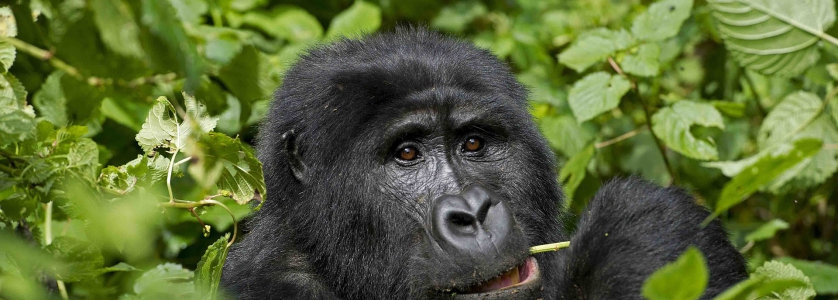
For over 15 years, I have felt the earth shake under the weight of a passing silverback and watched the sunrise paint the jagged peaks of the Virungas. In that time, I’ve seen the landscape of East African travel shift, but one truth remains constant: if you are looking for the most profound wildlife encounter on the planet, gorilla safaris in Uganda Africa are the undisputed gold standard.
While the neighboring Gorilla Tracking-Rwanda offers a polished, high-end experience, 2026 has solidified Uganda as the premier choice for travelers who value depth, raw adventure, and remarkable value. In this guide, we will explore how to plan a journey that goes “beyond the mist” to the heart of the “Pearl of Africa.”
Why Uganda is the Heart of Gorilla Trekking in 2026
In 2026, the trend in global travel is “Immersion over Observation.” Travelers no longer want to just see an animal; they want to understand the ecosystem that supports it. Uganda is uniquely positioned for this because it holds nearly half of the world’s remaining mountain gorilla population within its borders.
The Value Proposition: Uganda vs. Rwanda
The most immediate question I get as a consultant is about cost. As of 2026, the price of a gorilla permit in Rwanda is $1,500. In contrast, a permit for gorilla safaris in Uganda Africa is $800.
For a couple, that’s a $1,400 saving right at the start. In Uganda, that surplus often buys you three extra days of safari, a flight to the remote Kidepo Valley, or an upgrade to a luxury lodge like Clouds Mountain or Bwindi Lodge.
1. Choosing Your Sanctuary: Bwindi vs. Mgahinga
Uganda offers two distinct national parks for your gorilla encounter. Having trekked in both dozens of times, I can tell you the “vibe” is completely different in each.
Bwindi Impenetrable National Park
Bwindi is a UNESCO World Heritage site and a prehistoric rainforest. It is not part of a volcanic chain; it is a standalone ancient forest that survived the last ice age.
- The Experience: It is “impenetrable” for a reason. You will be following trackers with machetes through thick ferns and ancient hardwoods. It feels like a true discovery mission.
- The Sectors: Bwindi is divided into four sectors (Buhoma, Ruhija, Rushaga, and Nkuringo). If you prefer a shorter hike, Buhoma is your best bet. If you want the most dramatic views of the volcanoes, head to Nkuringo.
Mgahinga is Uganda’s portion of the Virunga Massif. It is home to just one habituated gorilla family—the Nyakagezi group.
- The Experience: Trekking here takes place on the slopes of three extinct volcanoes. The vegetation is mostly bamboo, which provides better light for photography.
- Bonus: Mgahinga is the only place in Uganda where you can also track the rare Golden Monkeys on the same day.
2. The 2026 Evolution: The Habituation Experience
If you want to move from a tourist to a participant, I highly recommend the Gorilla Habituation Experience in Bwindi’s Rushaga sector.
- Standard Trek: 1 hour with a fully habituated family ($800).
- Habituation: 4 hours with a family currently being introduced to human presence ($1,500).
For the same price as a standard one-hour permit in Rwanda, Uganda gives you four times the duration. You spend the morning with researchers, learning how they identify individuals and record social behaviors. It is the most intimate wildlife experience available in Africa today.
3. Planning for the “Pearl”: Logistics & Timing
To make your Safari Uganda Safari seamless, you need to understand the bimodal weather patterns of the region.
The Best Time to Visit
- Dry Season (June–September, December–February): These are the peak months. The trails are firmer, and the gorillas are easier to find as they don’t hide under thick foliage to avoid rain. Expert Tip: Book your permits at least 10 months in advance for these windows.
- The Green Season (March–May, October–November): Often overlooked, this is my favorite time for photography. The air is clear of dust, and the forest is a vibrant, neon green. Many luxury lodges also offer significant “low season” discounts during these months.
Getting There: The “Kigali Shortcut”
A common mistake is thinking you must fly into Entebbe. While Entebbe is a beautiful gateway, Bwindi is a 9-hour drive from the airport. In 2026, many savvy travelers fly into Kigali, Rwanda, and drive just 4 hours across the border to the southern sectors of Bwindi. This “cross-border” strategy saves you two days of driving and is easily handled with an East Africa Tourist Visa ($100).
4. Our 2026 Editorial & Research Integrity
Our recommendations are grounded in reality, not marketing brochures.
- Direct Field Audits: Every lodge and park sector mentioned is vetted by our team every six months to ensure standards haven’t slipped.
- Conservation First: We only partner with operators who follow the 7-meter distance rule.
- Community Impact: We prioritize “lodge-to-village” programs that ensure your tourism dollars reach the Batwa and Bakiga communities surrounding the parks.
- Scientific Accuracy: Population counts and habituation statuses are cross-referenced with the Uganda Wildlife Authority (UWA).
Frequently Asked Questions (FAQ)
1. Is gorilla trekking in Uganda safe in 2026?
Uganda is one of the safest destinations in Africa for travelers. The national parks are heavily patrolled by the UWA and the Tourism Police. Furthermore, the local communities view the gorillas as their most valuable asset, creating a welcoming and secure environment for visitors.
2. What is the age limit for gorilla safaris in Uganda?
The minimum age is 15 years old. This is strictly enforced to protect the gorillas from childhood diseases (to which they have no immunity) and to ensure that all participants can handle the physical nature of the hike.
3. How fit do I need to be?
You don’t need to be an Olympic athlete, but you should be comfortable walking on uneven ground for 2 to 6 hours. I always suggest hiring a porter ($20). Not only do they carry your pack, but they provide a steady hand on slippery slopes and their fee is a vital source of income for the local village.
4. What should I pack for a Uganda safari?
Think “Jungle Armor.” Sturdy, waterproof hiking boots with ankle support are a must. Bring long-sleeved shirts and trousers to protect against stinging nettles, and gardening gloves for when you need to grab onto vines or branches during steep climbs.
5. Can I see the “Big Five” alongside the gorillas?
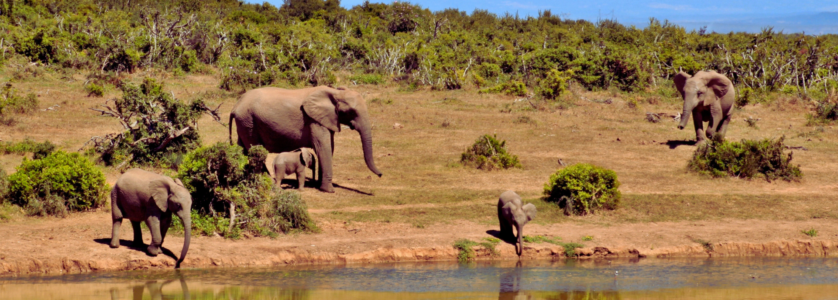
Yes! This is the biggest advantage of a Safari Uganda Safari. Within a short drive from Bwindi, you can reach Queen Elizabeth National Park, famous for its tree-climbing lions, or Murchison Falls, where the Nile explodes through a narrow gorge. Uganda is a “one-stop shop” for both primates and savannah wildlife.
Your Journey Begins Here
A gorilla safari in Uganda Africa is more than a bucket-list checkmark; it is a perspective-shifting experience that connects you to the very origins of our species.
Contact Details
 >
>