For over 15 years, I have navigated the winding, emerald-green roads of the “Land of a Thousand Hills,” watching Rwanda evolve from a hidden gem into Africa’s most sophisticated luxury ecotourism destination. While the initial draw for many is the iconic gorilla tracking in Rwanda, those who venture further find a country that offers a deep, soul-stirring connection to nature that few other places on Earth can replicate.
In 2026, the concept of a safari in Rwanda has expanded. It is no longer just about the “one-hour encounter.” It is about a holistic journey—from the vibrant, clean streets of Kigali to the prehistoric canopy of Nyungwe and the resurgent savannahs of Akagera. This guide is your expert roadmap to experiencing Rwanda “beyond the mist.”
The 2026 Safari Landscape: Why Rwanda Now?
Rwanda has set a global gold standard for sustainable tourism. In 2026, we are seeing a significant trend toward “purposeful travel.” Travelers want to know that their presence actively supports conservation. With gorilla permits priced at $1,500, Rwanda’s model ensures that every visitor is a direct financier of habitat protection and community development.
The Ease of the “Compact Circuit”
One of Rwanda’s greatest advantages is its size. Unlike the sprawling landscapes found on a Safari Uganda Safari, Rwanda’s key highlights are all within a few hours’ drive of each other. You can track chimpanzees in the morning and be sipping a sundowner overlooking a volcano by evening.
Let’s start with the crown jewel. Trekking into the Volcanoes National Park is often described as a spiritual experience.
The Logistics of the Trek
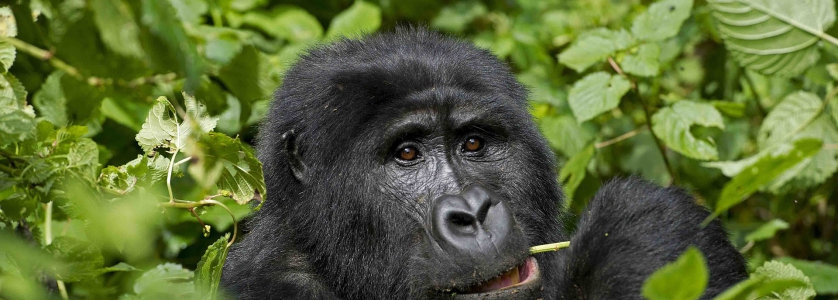
The day begins at the Kinigi park headquarters. As a veteran of these trails, I always tell my guests: trust your trackers. These men and women spend more time with the gorillas than their own families. They understand the subtle vocalizations and body language of the silverbacks.
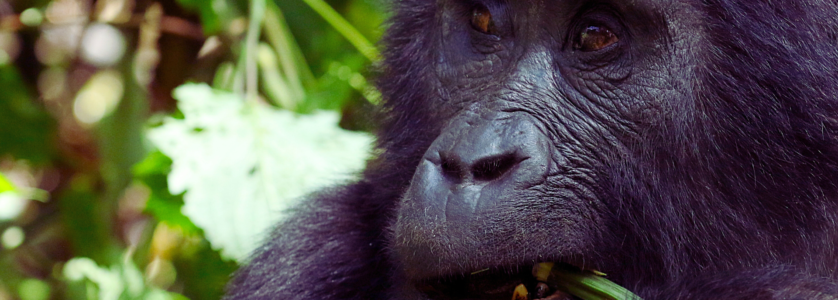
- The Encounter: You are limited to 60 minutes. It sounds short, but in the presence of a 400-pound gentle giant, time seems to suspend.
- Expert Tip: In 2026, the “Susa A” group remains a favorite for seasoned trekkers due to its large family size and the challenging, rewarding hike into the higher alpine zones.
What to Pack for the Mist
The Virungas are unpredictable. Even in the “dry” season, the rainforest creates its own microclimate.
- Gaiters & Gardening Gloves: Essential for protecting your legs from safari ants and your hands from stinging nettles as you navigate the dense undergrowth.
- The “Slow” Camera: Don’t spend the whole hour behind a lens. Take ten minutes to just be there. The memory of the smell of the damp forest and the sound of a mother gorilla grunting to her infant is better than any digital file.
2. Beyond the Primates: The Savannah and the Swamp
While gorillas are the stars, a true safari in Rwanda must include Akagera National Park.
The Akagera Comeback
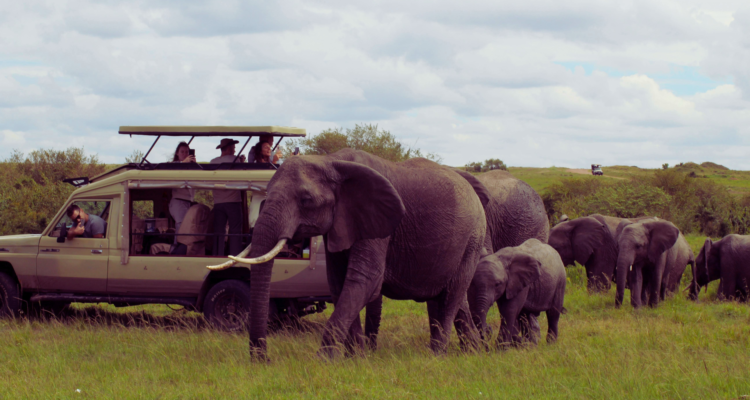
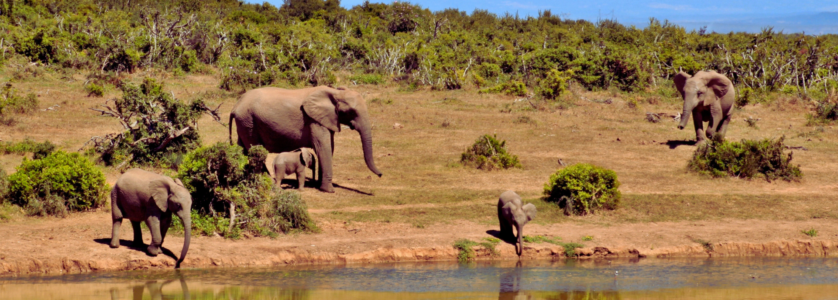
Ten years ago, Akagera was a struggling park. Today, thanks to rigorous rewilding efforts, it is a “Big Five” destination. What makes it unique is the water. A boat safari on Lake Ihema offers a different perspective than the traditional dusty game drive. You’ll see elephants bathing, hippos jostling for space, and—if you’re lucky—the rare, prehistoric-looking Shoebill Stork.
3. Nyungwe Forest: Walking Above the Canopy
In the southwest lies Nyungwe, one of the oldest rainforests in Africa. This is the place for those who love “high-octane” primate encounters.
Chimpanzees and the Canopy Walk
Tracking chimpanzees is the opposite of gorilla trekking. While gorillas are sedentary and calm, chimps are loud, fast, and dramatic. The trek is often a race through the forest to keep up with their vocalizations.
- The Canopy Walkway: Suspended 70 meters above the forest floor, this bridge offers a bird’s-eye view of the ancient hardwood trees and the 13 different primate species that call this forest home.
4. Our Editorial Policy and Research Integrity
At Gorilla Tracking-Rwanda, our content is built on “boots-on-the-ground” expertise. We adhere to the following principles:
- Direct Field Audits: Every lodge and trail we recommend is personally vetted by our guides to ensure it meets 2026 safety and luxury standards.
- Conservation First: We do not promote any activity that violates the 7-meter wildlife distance rule or disrupts natural animal behavior.
- Community Focus: We prioritize partnerships with lodges that employ at least 80% local staff and fund community health and education.
- Verified Pricing: All permit costs and park fees are verified through the Rwanda Development Board (RDB) to prevent “middleman” markups.
Frequently Asked Questions (FAQ)
1. Is the $1,500 gorilla permit worth it?
In my 15 years of guiding, I have never had a guest say it wasn’t. The fee covers the massive security and tracking infrastructure required to keep these animals safe from poaching. You aren’t just buying a ticket; you are contributing to a species’ survival.
2. When is the best time for a safari in Rwanda?
The dry seasons (June–September and December–February) are best for ease of trekking. However, the “Green Season” (March–May) is the best time for photography, as the air is clear of dust and the volcanoes are a vibrant, deep emerald.
3. How fit do I need to be for gorilla tracking?
The treks are categorized by difficulty: short, medium, and long. While a basic level of fitness is required, our porters (available for $15-$20) can assist you on steeper sections. We have successfully guided guests in their 70s and 80s to see the gorillas.
4. Can I see the Big Five in Rwanda?
Yes! Akagera National Park now hosts lions, leopards, elephants, buffalo, and rhinos. It is one of the few places in East Africa where you can experience a savannah safari and a rainforest trek in the same week.
5. Is Rwanda safe for solo travelers?
Rwanda is widely considered the safest country in Africa for solo travelers. The infrastructure is modern, the people are incredibly welcoming, and the “Umuganda” (community service) culture has created a society built on mutual respect and security.
Conclusion:
A safari in Rwanda is more than a trip; it’s a perspective shift. Whether you are standing in the silent presence of a Silverback or watching the sun set over the ridges of the Congo Nile Trail, the “Pearl of Africa” will leave a mark on your soul.
Contact Details
 >
>