 >
> Key Highlights on the gorilla groups in Rwanda
- Volcanoes National Park is the only gorilla park, and it inhabit over 380 individuals that are grouped in different families.
- There are several gorilla families in Volcanoes NP, and each of these is led by a dominant male gorilla (silverback)
- Detailed breakdown of each gorilla family, i.e., its brief history, number of gorillas, composition, and where it is located.
- Additional information on gorilla diet, trekking experience, costs incurred, where to stay, getting to Volcanoes NP, the best time, and best tour operators, among others.
There are several habituated gorilla groups in Volcanoes NP, and each of these groups is led by a powerful silverback gorilla.
Each of these groups has its unique characteristics in terms of size, dominance structures, and behavior.
Here is a list of some of the gorilla groups in Rwanda
- Susa Gorilla family (Susa A family)
- Amahoro gorilla family
- Karisimbi gorilla family (Susa B)
- Sabyinyo gorilla family
- Umubano gorilla family
- Kwitonda gorilla family
- Agashya gorilla family
- Hirwa gorilla family
- Uganda gorilla family
- Bwenge gorilla family
- Igisha gorilla family
- Noheli gorilla family
- Isimbi group
Let’s dive into the details of the popular gorilla families in Volcanoes NP that are worth encountering on a Rwanda gorilla safari.
Susa Gorilla Family (Susa A Family)
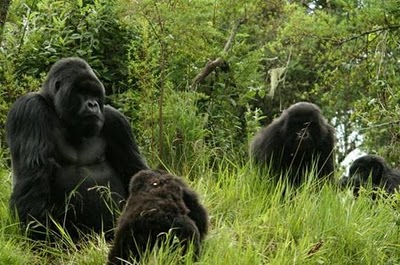
The Susa group is one of the most preferred of all the gorilla families in Rwanda among visitors. The group contains 19-33 members, including 3 silverbacks.
It is the largest and oldest gorilla family found in Volcanoes National Park, headed by Kurira Alpha, the male silverback gorilla, and it was made famous by the research of Dian Fossey.
The Susa gorilla group was formed in 1974 with an initial size of only 7 members. It took its name from the Susa River that flows through its range.
This gorilla group is highly regarded because it features the popular playful twins (Byishimo and Impano), born in 2004. It also got a second set of twins (Impeta and Umudende) in 2011, though Impeta died in 2015.
Before disbanding in 2009, it was recorded as the largest family in Volcanoes NP, splitting into the Karisimbi and Susa B groups.
The members of the group tend to live at a higher altitude, and trekking with them is considered one of the most challenging.
Amahoro Gorilla Family
The Amahoro gorilla group in Volcanoes National Park is known for its peaceful nature, but it is also challenging to reach due to steep slopes.
Amahoro’s habituation began in March 1996 and ended in 1997, and it was fully launched for gorilla tourism in 2000.
Amahoro initially led the group until his death on May 4th, 2002, at the age of 31, when Ubumwe and Charles took over.
A conflict arose between the two, and the big group was split to form the Amahoro group B, which later became Umubano, to be led by Charles.
Ubumbwe, a peaceful silverback, currently leads the Amahoro group, which comprises 23 members.
The members in the Amahoro family include two silverbacks, three blackbacks, eight adult females, one sub-adult female, three juveniles, and six infants.
Karisimbi Gorilla Family (Susa B)
This group is another famous gorilla family in Volcanoes NP on the slopes of Mount Karisimbi in Rwanda. Nyagakangaga leads this group of 11 members.
The Karisimbi gorilla family broke off from the original Susa A on 28th June, 2009, because of relentless fights in the big family.
Members of the Karisimbi group live on the slopes of Mt. Karisimbi, and at times, they hike to the upper slopes, which may make tracking of these unique species a bit challenging but rewarding.
Guides often scout the gorillas’ location before trekking, and if they’re too far, the activity may be canceled.
The group has 11 family members, including 4 silverbacks, 1 adult female, 1 blackback, 1 sub-adult male, 1 sub-adult female, 1 juvenile, and 2 infants.
Members of this family are closely monitored by the Karisoke Research Center staff, which was established by Dian Fossey near these volcanic slopes.
Sabyinyo Gorilla Family
The Sabyinyo family is one of the habituated families in Volcanoes National Park, worth tracking when on gorilla tours in Rwanda.
This gorilla group of about 17 members is led by Guhonda, the most powerful and largest silverback in Volcanoes NP, weighing over 220 kg. Guhonda has kept his challenger, Ryango, away from his group as a lonely silverback.
It was habituated in 1992 following the breakup of Group 13 and the death of the dominant silverback. It was originally known as the “Amavubi” (wasps) due to difficult habituation, but was later renamed Sabyinyo, meaning “old man’s teeth.”
Today, the Sabyinyo gorilla group resides at the lower slopes of Mt. Sabyinyo and Mt. Gahinga, making it one of the most accessible gorilla groups found in Volcanoes NP.
Umubano Gorilla Family
The Umubano gorilla family in Volcanoes National Park is another sought-after family when on Rwanda gorilla tours.
In 2008, conflicts between silverbacks led to the formation of this gorilla group after the split from the Amahoro family.
Currently, Charles, an energetic and ambitious adult male gorilla, leads the Umubano group, which consists of about 13 members.
Despite their split, the Urugano and Amahoro families are occasionally observed to interact in a friendly manner instead of being aggressive to each other, and they live in the same territory.
The treks to see the Umubano gorilla group are a bit challenging, but at last, trekkers encounter these impressive wild creatures.
Kwitonda Gorilla Group
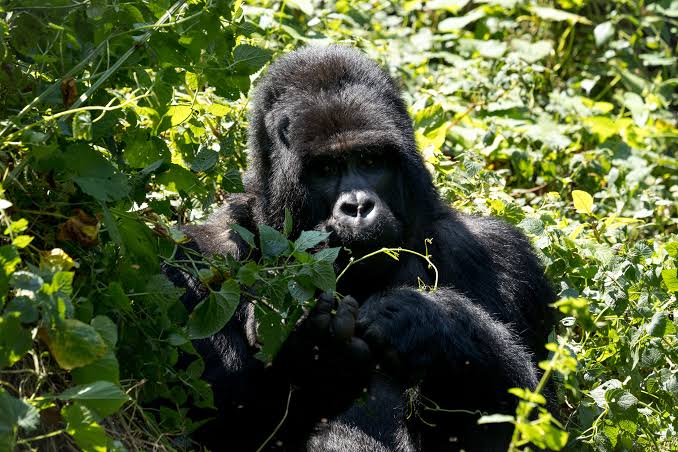
The Kwitonda gorilla group was founded in 1995 in Virunga NP in Congo, but it moved to Rwanda in 2003 because of persecution from a rival organization.
This group consists of 23 individuals and is difficult to track due to its wide geographical area. It is known for its humble nature and is difficult to track due to its roaming habits.
The Kwitonda silverback gorilla is said to have been a lone male who gathered members after leaving the Democratic Republic of Congo. After he died in 2012, he left Akarevuro and Kigoma, the subordinate silverbacks who were always in conflict for leadership.
Akarevuro gained the respect of other members, and today, he is the dominant silverback for 23 members.
Agashya Gorilla Family
Volcanoes NP is home to the Agashya gorilla family, which is one of the many habituated groups searched for when on gorilla tours in Rwanda.
This gorilla group was formed after a dominant silverback, Agashya, overthrew the previous leader, Nyakarima, and expanded the group by taking in members from other groups.
The Agashya gorilla group was initially known as Group 13 and has grown to about 25 members. The expansion of this group is attributed to Agashya aggressively taking members from other family groups and lone individuals.
Members include one silverback, twelve adult females, sub adult females, juveniles, and seven baby gorillas.
This family is commonly found on the slopes of Mount Sabyinyo and Mount Gahinga, but Agashya, the silverback, is known to move the group higher when he senses danger.
Hirwa Gorilla Group
Hirwa is another gorilla family in Volcanoes NP on the slopes of Mount Sabyinyo, worth tracking when on Rwanda gorilla tours.
This gorilla group was formed in 2006 and currently has 18 members, including twins. It was created when some individuals from Group 13 and the Sabyinyo family came together to form their own group.
According to its name, Hirwa, which means “lucky one,” this group was able to grow in number when more members joined voluntarily.
Members in this group include one silverback gorilla, seven adult females, two blackbacks, two sub adult female gorillas, two sub-adult males, and four infants.
Uganda Gorilla Family
The Ugenda gorilla family is among the habituated groups in Volcanoes National Park, and it resides on the slopes of Mount Karisimbi.
It consists of 11 members and is known for its roving nature, and it hardly settles in one place, making it difficult to trek.
The Ugenda group was among the earlier groups to be habituated in 1991, and it was opened for tourism in 1994.
Bwenge Gorilla Family
The Bwenge gorilla group is also among the most popularly tracked families in Volcanoes NP. This gorilla group is famous for having appeared in the movie “Gorillas in the Mist.”
It was formed in 2007 and is often found on Mount Bisoke, featuring a relatively easy hike despite previous losses of infants.
The Bwenge group comprises 11 individuals, led by the silverback Bwenge.
Though it is recommended for lazy hikers, it at times possesses challenging treks that take about 3 hours, which can include steep inclines and rugged terrain that may require a moderate level of fitness.
Igisha Gorilla Family
The Igisha gorilla family in Volcanoes National Park is among the available groups in Rwanda for tourism.
This group is led by Igisha, a dominant silverback that split from the Susa group in 2014, leaving with about 23 individuals to form the newer group.
The Igisha gorilla group is considered the largest in Volcanoes NP, with over 36 habituated individuals.
The members in the family include 6 silverbacks, 10 adult females, 2 blackbacks, 1 sub-adult male, 1 sub-adult female, 6 juveniles, and 10 infants.
Noheli Gorilla Family
This is Rwanda’s smallest and newest gorilla group in Volcanoes NP, which was formed on November 7, 2021.
It was created when the female members left Isimbi and Susa to join the lone silverback, Noheli. Fewer mountain gorillas exist in this gorilla group compared to the rest of the other families; that is, one silverback and three adult female gorillas.
Isimbi Gorilla Group
The Isimbi group is a habituated family of mountain gorillas in Rwanda’s Volcanoes National Park, inhabiting the slopes of Mount Karisimbi. It was formed in 2012 after splitting from the Karisimbi (Susa B) group.
The Isimbi gorilla group led by an alpha male silver back gorilla called Muturengere, has grown from 7 to over 20 members. These reside in the park’s bamboo forest zones, and they offer a thrilling trekking experience.
Other Gorilla Groups in Rwanda
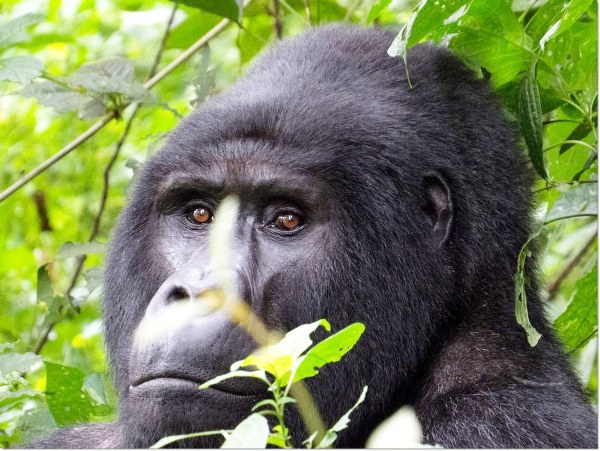
Titus Family: Derived from the head of group silver back gorilla Titus, who was the only survivor from his group. The Titus Group is relatively small but offers a magical experience.
Muhoza Group: A habituated group established in 2016, led by a dominant silverback named Muhoza.
Kwisanga Group: This group split from the Kwitonda family in 2021.
Beetsme’s Group: This group is primarily monitored for research purposes.
How Are Gorillas in The Different Families Named?
The Kwita Izina is an annual naming ceremony for baby gorillas from different families, and through it, 438 infants have been named since 2005.
This ceremony takes place annually at the foothills of Volcanoes National Park on the first Friday of September.
The purpose of naming baby gorillas is to monitor each mountain gorilla in each family to ensure their protection and raise awareness about habitat conservation.
It is presided over by prominent conservationists, local leaders, and other guests from around the world.
What Do Gorillas in Different Families in Rwanda Eat?
Mountain gorillas in Volcanoes NP primarily consume foliage, stems, and bamboo shoots, and rarely drink water due to sufficient hydration from their diet.
They occasionally eat ants and termites for protein and fruits, but in small portions, because high altitude forests have limited fruits.
How To See the Different Gorilla Groups? (The Gorilla Trekking Experience)
Gorilla trekking to see the different mountain gorilla groups is one of the interesting activities in Rwanda, done only in Volcanoes NP.
For mountain gorilla trekking, only eight people can visit each gorilla group in a day, implying that only 80 permits are available for booking daily.
The allocation of the different families for trekking is based on the tourists’ preferences, accommodation, and overall level of fitness. Some of these families live deep in the forest and require longer tracking hours.
The difficulty level of trekking varies across mountain gorilla groups, with some categorized as easy, medium, or hard treks.
Trekking with the Susa family is considered the hardest because it’s at a high altitude and in challenging terrain.
If tourists doubt their overall fitness, there are paid porters available to assist them during the trek.
Visitors are expected to spend strictly one hour with the mountain gorillas once they find them.
Cost Of Gorilla Trekking Permits to See the Different Gorilla Families
The following are the rates for mountain gorilla trekking permits to see the different gorilla families, which are booked with the Rwanda Development Board in advance of travel.
- Foreign resident: USD 1,500 per person
- Foreign resident in Rwanda: USD 500 per person
- East African Community: USD 200 per person
- African citizen: USD 500 per person
Gorilla Conservation Efforts in Rwanda
- The Virunga Conservation Area, which includes Volcanoes NP, Virunga NP, and Mgahinga NP, is home to the largest population of mountain gorillas in the world.
- Rwanda has made major advances in mountain gorilla conservation, leading to an increase in their population over recent decades.
- It has expanded Volcanoes NP by 23% to accommodate a growing mountain gorilla population.
- Conservation efforts in Rwanda have led to the establishment of a sustainable tourism model that protects mountain gorillas and their habitat simultaneously.
- To maintain this balance, gorilla trekking in Rwanda is strictly regulated to ensure the safety of both tourists and the gorillas.
- Rwanda’s gorilla conservation efforts focus on high-value, low-impact tourism, limiting daily visits to 8 people per group.
- Gorilla tourism in Rwanda significantly contributes to the country’s economy, generating substantial revenue for conservation efforts.
- Rwanda’s gorilla tourism contributes roughly 1% of the national GDP, generating over $500 million in total tourism revenue.
- The revenue from gorilla tourism helps fund local community development projects and conservation initiatives.
- In a direct “benefit-sharing” scheme, 10% of tourism revenue in gorilla conservation goes directly to local communities.
- Consequently, the local communities around Volcanoes NP benefit from gorilla tourism through employment and business opportunities.
Where To Stay When on Gorilla Tours in Rwanda?
Top places to stay near Volcanoes NP include Bisate Lodge, Singita Kwitonda Lodge, and One&Only Gorilla’s Nest. Booking should be done in advance due to limited capacity.
How to Get to Volcanoes National Park?
The trip to see the different mountain gorilla families in Volcanoes NP is a scenic drive from Kigali City to the park headquarters in Kinigi.
The journey spans 115 kilometers and typically takes 2 to 3 hours, with the option of using customized safari vehicles for a seamless transfer.
Flights from Kigali International Airport to Musanze Airstrip can also be organized for a faster transfer, and these are followed by a short drive to the park headquarters.
Best Tour Operators to Organize Your Trip to Meet the Different Gorilla Families
The following are the best tour operators known for organizing trips to see mountain gorillas in Rwanda:
- Prime Safaris And Tours Ltd.
- Wild Gorilla Safaris
- Gorilla Safari Rwanda
- Rwanda Gorilla Tracking Safaris
- Gorilla Tracking Rwanda
- Africa Safari Tours
- Gorilla Safaris And Tours
Rwanda Gorilla Groups FAQs (Frequently Asked Questions)
How Many Gorilla Families Are in Volcanoes National Park?
There are currently more than 12 habituated mountain gorilla groups in Volcanoes National Park available for tourism out of over 380 mountain gorillas.
What Is the Best Gorilla Family to See in Rwanda?
The Susa gorilla group is one of the most preferred gorilla families in Rwanda.
Other gorilla families in Rwanda
- Amahoro gorilla group
- Karisimbi gorilla group (Susa B)
- Sabyinyo gorilla group
- Umubano gorilla group
- Kwitonda gorilla group
- Agashya gorilla group
- Uganda gorilla group
- Bwenge gorilla group
- Igisha gorilla group
- Noheli gorilla group
- Hirwa gorilla group
- Isimbi group
- Titus family
- Muhoza gorilla family
Are You Guaranteed to See Gorillas in Rwanda?
There is an exceptionally high chance of 95-99% of seeing gorillas in Rwanda. It is only extreme weather or when gorillas move too far that may hinder one from seeing these primates.
Are There Gorillas in Volcano National Park?
There are numerous gorillas, about 380 individuals, in Volcanoes National Park.
Which National Park Has the Most Gorillas?
Uganda’s Bwindi Impenetrable NP has the most gorillas, approximately 459 individuals, which is almost half of the world’s remaining population.
How Many Gorillas Are Left in Virunga National Park?
There are approximately 300 to 350 mountain gorillas living in Virunga NP, making it one of the best destinations for gorilla tours in Africa.
Embark on a journey to Rwanda and seize the unique opportunity to observe various gorilla families within Volcanoes National Park.
Contact our safari specialist now to help you book your trip that promises enduring memories of these large primates whose DNA is more or less human.

Over 300 excellent reviews on TripAdvisor
Over 50 excellent reviews on Safaribookings.
Over 50 excellent reviews on Safaribookings.
12+ years of experience.
Best price guarantee.
Robert
Are you planning a safari and tour? Consult a safari specialist for guidance...
If you're looking for excellent safari advice, Reach out to us via phone or schedule a video conference with our specialists.