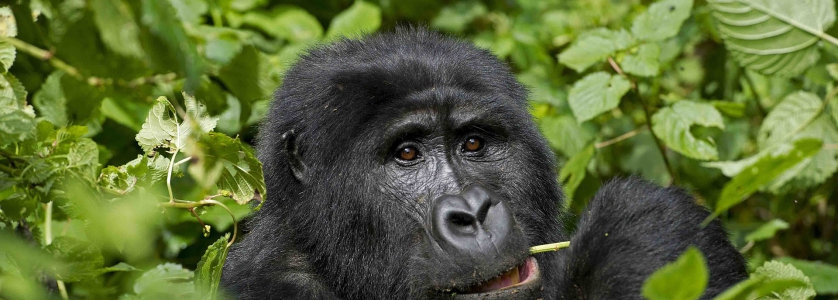
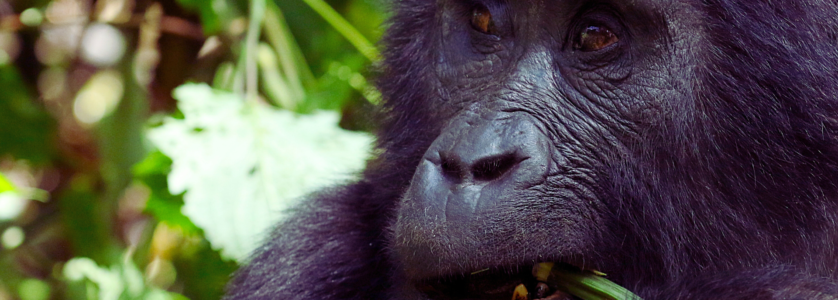
There is a specific kind of silence that only exists in the high-altitude bamboo forests of the Virunga Mountains. It’s not the absence of sound, but rather a symphony of dripping dew, the distant bark of a golden monkey, and the heavy, rhythmic breathing of a creature that shares 98% of your DNA.
If you are reading this, you aren’t just looking for a holiday; you are seeking a pilgrimage. Rwanda gorilla tours have evolved from rugged expeditions into the world’s most refined wilderness experiences. As someone who has spent over a decade navigating the “Land of a Thousand Hills,” I can tell you that the magic of gorilla trekking in Rwanda doesn’t just lie in the encounter—it’s in the seamless blend of conservation, luxury, and deep soul-connection.
Why Rwanda Remains the Gold Standard for Primate Safaris
While neighboring countries offer trekking, Rwanda has positioned itself as the “boutique” destination of East Africa. The logistics are unrivaled. Within a three-hour drive from the clean, vibrant streets of Kigali, you find yourself at the gates of Volcanoes National Park.
For the modern traveler, time is the ultimate luxury. Rwanda allows you to land in the morning and be sitting by a lodge fireplace overlooking the misty peaks of Bisoke and Karisimbi by tea time. This accessibility, paired with a steadfast commitment to high-value, low-impact tourism, ensures that your Rwanda tours feel exclusive and intimate.
The Anatomy of the Trek: What to Expect
The journey begins at the Kinigi park headquarters. There’s a palpable energy in the air as trekkers gather for the morning briefing. You’ll be assigned to one of the 12 habituated gorilla families based on your fitness level—a crucial detail that seasoned guides handle with expert care.
- The Susa Group: For those seeking a challenge, this family often ranges high on the slopes.
- The Sabinyo Group: Typically more accessible, led by the legendary silverback Guhonda.
- The Agashya Group: Known for their large numbers and playful youngsters.
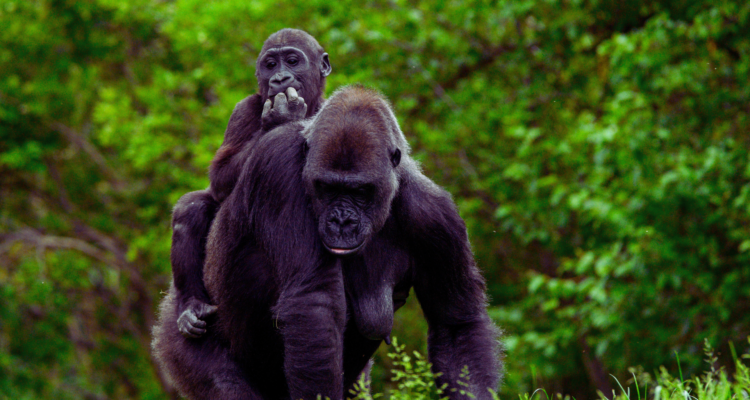
Once you find them, the world stops. You have exactly one hour. You’ll watch mothers grooming their infants with tender precision and blackbacks testing their strength, all under the watchful, calm gaze of a 400-pound silverback. It is, quite simply, the most humbling sixty minutes of your life.
Designing the Ultimate Rwanda Safari Experience
To truly capture the essence of the region, your itinerary should go beyond the permit. A well-rounded Rwanda tour should look like this:
- The Primate Double-Bill: Combine your gorilla trek with golden monkey tracking. These vibrant, energetic primates live in the lower bamboo forests and provide a wonderful photographic contrast to the stoic nature of the gorillas.
- The Narrative of Resilience: No visit to Rwanda is complete without understanding its heart. A private tour of the Kigali Genocide Memorial provides the necessary context for the incredible warmth and unity you will experience throughout the country.
- Lakeside Serenity: After the physical exertion of the volcanoes, head to the shores of Lake Kivu. The emerald waters and “singing fishermen” offer the perfect setting for reflection.
Seasonal Wisdom: When to Visit
The “best” time is subjective. The long dry seasons (June to September) offer the easiest hiking conditions. However, the “Green Season” (March to May) is a photographer’s dream. The mist clings lower to the trees, the light is soft and golden, and the forest is at its most lush. Plus, the gorillas often descend to lower altitudes to feast on fresh bamboo shoots, occasionally making the treks shorter.
Frequently Asked Questions
- Is gorilla trekking in Rwanda worth the $1,500 permit cost?
Yes. Unlike standard safaris, this fee is a direct investment in the survival of a species. It funds 24/7 veterinary care, forest rangers, and community incentives that have seen the mountain gorilla population rise from the brink of extinction. You aren’t just buying a ticket; you’re funding a miracle.
- How fit do I need to be for gorilla trekking in Rwanda?
Treks can range from a gentle 45-minute stroll to a 6-hour hike through thick vegetation and mud. Park rangers are excellent at matching groups to families based on physical ability. If you’re concerned, hire a porter—they are the unsung heroes of the trek and provide vital support on slippery slopes.
- What is the minimum age for gorilla tracking?
The strict minimum age is 15 years. This is to protect the gorillas from childhood diseases they have no immunity against and to ensure all trekkers can handle the terrain and follow safety protocols.
- Can I see gorillas in Rwanda if I have a cold?
Unfortunately, no. Because we share so much DNA, gorillas are highly susceptible to human respiratory infections. If you are visibly ill, you may be barred from trekking to protect the family. It’s always best to have travel insurance that covers permit postponement.
- How far in advance should I book my Rwanda gorilla tour?
During peak seasons (June-August and December), permits are like gold dust. We recommend booking 6 to 12 months in advance to secure your preferred dates and the best luxury lodges.
Our Editorial & Research Policy
This content is crafted based on first-hand field expertise and updated conservation data from the Rwanda Development Board (RDB). We prioritize ethical wildlife viewing practices, ensuring all recommended tours adhere to the 10-meter distance rule and environmental “Leave No Trace” principles. Our research involves regular consultation with local lead guides and conservationists to provide the most accurate and human-centric travel advice available.
Contact Details
 >
>