>
> Are you planning a trip to Rwanda? Here are the Rwanda travel frequently asked questions related to information you need to know about visiting the ‘land of a thousand hills,’ covering everything from entry requirements to wildlife safari activities.
Rwanda’s scenic beauty, vibrant culture and excellent wildlife make it a great destination for both local and foreign tourists.
This tiny East African country offers the perfect blend of warm hospitality, history and excitement for all tourists heading into the African safaris.
Rwanda is a nation of exceptional moments, whether you want to come face-to-face with mountain gorillas or venture into beautiful forests.
Here are answers to some of the most frequently asked questions to help you plan a better Rwanda safari. You can also consult this comprehensive Rwanda travel guide for broader destination information.
Key Details About the Rwanda Travel FAQ
- The Rwanda travel FAQ answers some of the common questions tourists generally ask when booking Rwanda safari excursions.
- Rwanda travellers often ask about Safety & Security, Health, Lodging, Safari Activities, Visas, and more.
- Some of the most common FAQs have been answered to help you plan your Rwanda safaris with ease.
Here is everything you need to know about the Rwanda travel Frequently Asked Questions!
Rwanda Visas & Entry Requirements FAQs
The frequently asked questions related to Rwanda visas and entry requirements include:
- Do I Need a Visa to Go to Rwanda?
- What About a Passport, Do I Need It?
- What About Vaccines, Do I Need Any?
Answers
Most travelers need a visa to go to Rwanda, which they can obtain on arrival at the airport and at the land borders or by applying for an e-visa beforehand. The standard 30-day Rwanda tourist visa costs about USD 50 per person.
International tourists, especially from the African Union Nations, Commonwealth countries, and La Francophonie members, often receive free 30-day visas.
Your passport is needed, and it must be valid for at least 6 months beyond your arrival date and have at least one blank page.
To enter the country, you need to have a mandatory yellow fever certificate if you are coming from a yellow fever-endemic country. Other routine vaccines are also recommended.
Remember to check with the Rwandan embassy in your country for the latest details and information, as rules change often.
Keep copies of all important documents separate from your main luggage in case they’re needed when issues arise during the trip.
Frequently Asked Questions About the Rwanda Safari Plans
The frequently asked questions about Rwanda safaris include:
- What Are The Rwanda National Parks?
- What Are the Inclusions and Exclusions in Rwanda Safari Itineraries?
- Are There Activities for Children in Rwanda?
- What Is Rwanda’s Time Zone?
- What Tour Operators Can I Use to Plan My Rwanda Safaris?
Answers
Rwanda has four national parks worth exploring during African safaris, such as: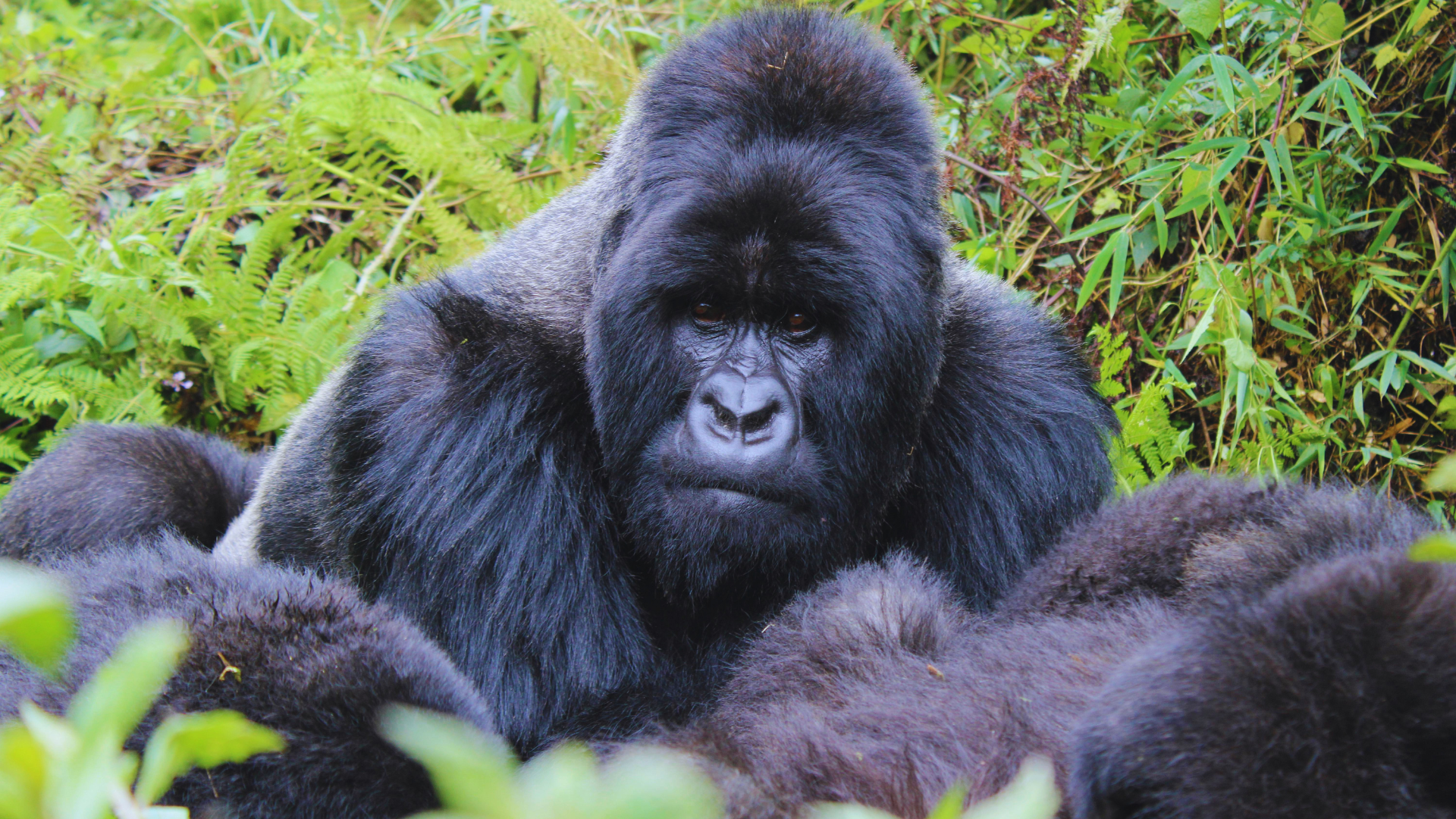
- Rwanda Volcanoes National Park, which is the only home of the endangered mountain gorillas and golden monkeys in Rwanda.
- Nyungwe Forest National Park is known for hosting 13 primate species, such as the chimpanzees, colobus monkeys, etc., and offering canopy walks high above the trees in East Africa.
- Akagera National Park is the only savannah park in Rwanda offering classic Big Five thrills, stunning views of beautiful lakes, and offering opportunities for game drives in 4×4 safari vehicles to spot lions, elephants, hippos, and more.
- Gishwati Mukura National Park, the newest National Park in the country, is known for being a primate diversity hotspot with many monkey species.
These national parks showcase Rwanda’s incredible biodiversity, worth seeing by visitors seeking to see either traditional wildlife, primates, culture, and other options abound.
Most Rwanda safari itineraries have several inclusions and exclusions, such as gorilla permits, transport, and accommodation as inclusions, and flight tickets and visas as exclusions.
For families with children, Rwanda has several activities that they can enjoy, but it’s best to check children’s policies at parks and lodges to confirm age requirements.
Rwanda’s time zone is GMT or UTC +2 with no daylight-saving time, so always check for time and set your watch accordingly to avoid missing important dates.
To plan the best Rwanda safari adventures, we strongly encourage you to contact these reputable tour companies below:
- Prime Safaris and Tours Ltd
- Wild Gorilla Safaris
- Gorilla Safari Rwanda
- Rwanda Gorilla Tracking Safaris
- Gorilla Tracking Rwanda
- Africa Safaris Tours
- Gorilla Safaris and Tours
Rwanda Gorilla Trekking and Wildlife Frequently Asked Questions
Some of the frequently asked questions about Rwanda travel include:
- What is Gorilla Trekking?
- Is Gorilla Trekking in Rwanda Worth It?
- How Much Is a Rwanda Gorilla Permit?
- Is There an Age Limit to the Gorilla Trekking Experience?
- When Is the Best Time to Visit Rwanda to See the Gorillas and Wildlife?
- Can I Combine Gorilla Trekking with Other Wildlife Safari Experiences?
Answers
Gorilla trekking is one of the best Rwanda bucket list adventures that features a moderate to strenuous tour through lush forests and the high Virungas to see the mountain gorillas. Groups are normally small, normally max eight members, and you can hire expert rangers and porters. Travelers can review how to plan a gorilla trek before booking.
Rwanda gorilla trekking is a worthwhile and life-changing safari experience that allows travelers to observe the endangered species of the mountain gorillas in their natural habitat for one magical hour as they play, forage, and nurture their young ones.
The Rwanda gorilla permit, which allows you to see the mountain gorillas in Volcanoes National Park, costs USD 1,500 per person and is obtained from the Rwanda Development Board through reputable Rwanda tour operators.
The Rwanda gorilla trekking experience has an age limit of at least 15 years old set by RDB in the abid to protect both the endangered mountain gorillas and the humans who partake in the trek.
The best time to go see gorillas and other wildlife species is during the dry seasons from June to September and December to February when the weather conditions are optimum for gorilla trekking and animal sightings.
But you should know that this is the period of the year when permits get sold out fast, and you should buy your gorilla permit months in advance.
Combine gorilla trekking in Rwanda with golden monkeys trekking in Volcanoes National Park for more primate fun or extend safaris to other Rwanda safari locations. You can enjoy Chimpanzee Trekking in Nyungwe Forest or explore Wildlife Safaris in Akagera National Park.
These complementary wildlife safari experiences allow visitors to combine Rwanda’s primates with classic savannah wildlife.
Rwanda Safety FAQs
The most commonly asked questions about the safety and security in Rwanda include:
- Is Rwanda Safe?
- Can US Travelers Visit Rwanda Now?
- Are Single-Use Plastics Allowed in Rwanda?
Answers
Rwanda is globally recognized as one of the safest and most stable countries in Africa, with even its capital city, Kigali, very secure even at night. The Rwandan Police authorities and Military protect most tourism enterprises and patrol the country most of the time to keep the citizens and tourists safe.
There are low petty crime rates and strong community values in this country, with a welcoming atmosphere, but just like any other safari country, you need to stay alert in busy tourist areas.
US travelers or Americans are safe to visit Rwanda today because there are no ongoing conflicts in this country, and security is top-notch. Government travel advisories of nations like the USA, Canada, and Australia recommend normal safety precautions.
Rwanda has a strict ban on single-use plastic bags, so if coming into the country, remember not to carry any as they will be confiscated at the airport, and a fine might be charged. Additional Rwanda safari tips can help travelers prepare for local rules and conditions.
ADDITIONAL SAFETY TIPS TO CONSIDER
- Avoid going in close proximity to the borders of the Democratic Republic of Congo, where regional tensions occur occasionally.
- Be cautious when moving in major cities and popular parks at night, though you can move confidently during daylight hours.
- Stay safe by using reputable drivers, leaving valuables in hotel rooms with safes, and following instructions from your tour guide.
By considering these, Rwanda remains safe for solo travelers, families, and groups alike.
Commonly Asked Questions About Travelling and Local Logistics in Rwanda
Most travelers planning Rwanda safaris often have a major question regarding how to get to this nation i.e.:
- How Do I Get to Rwanda?
- How Do I Get Around Rwanda?
Answers
You can get to Rwanda by flying into Kigali International Airport, which serves as the main gateway with good connections from hubs like the Middle East, South Africa, the USA, the UK, etc.
Inside this East African nation, there are many excellent roads that link major cities and attractions. You can hire driver guides or join organized tours to take you around for convenience and safety.
MORE LOGISTICAL TIPS
- Motorbike taxis (motos) offer most visitors cheap transport, but you must wear a helmet and always negotiate fares beforehand.
- If you are on a self-drive safari, avoid driving by yourself at night, especially along unfamiliar roads.
- To avoid moving long distances between tourist parks, you can use domestic flights.
- Use reliable tour companies with larger vehicles for groups and comfortable transfers between lodges and parks.
Commonly Asked Questions about Health and Vaccinations in Rwanda
Travelers on Rwanda travels often have many questions related to health and vaccinations, such as:
- What Vaccines Do I Need to Have to Travel to Rwanda?
- Is There Malaria in Rwanda?
- Is Tap Water Safe in Rwanda?
- Do I Need Travel Insurance?
Answers
Vaccination and health precautions should be considered by travellers to Rwanda, especially when travelling to lower and higher elevation locations.
A yellow fever vaccination certificate is mandatory if coming from a country with a high transmission risk. Other routine vaccines often recommended by travel doctors include shots of typhoid, rabies, hepatitis A & B, meningitis, etc.
Malaria in Rwanda is prevalent in some parts of the country, so taking proper medication (malaria prophylaxis) is strongly recommended to prevent malaria spread, using insect repellent, sleeping in mosquito nets, etc.
Tap water in Rwanda is not generally safe, so drink only bottled water and avoid tap water or untreated fresh water to prevent illness.
Buy good comprehensive insurance that includes medical evacuation, though Rwanda has good medical facilities, especially in Kigali (limited in rural areas).
Consult your travel doctor months ahead and bring all prescription medications with extra supplies, a first aid kit for minor injuries.
Frequently Asked Travel Questions About the Best Time To Visit Rwanda
Most travelers starting to plan Rwanda safaris often have major concerns regarding the weather and climate, best times, and more, such as:
- What Is the Climate of Rwanda?
- When To Visit Rwanda?
- When To Avoid Rwanda?
Answers
Rwanda in East Africa is a year-round safari destination that enjoys a tropical climate with two rainy seasons and dry seasons, thanks to the high altitude, which keeps the temperatures at night cool, especially in the mountains.
Rwanda’s long dry season runs from June to mid-September, and it’s a fantastic time to enjoy outdoor safari activities like gorilla tracking as the trails are drier and the blue skies are clearer.
Rwanda’s short dry season occurs between mid-December and February.
The long rainy season from March to May and the short rainy season from October to November bring lush greenery, fewer crowds, but muddier and slippery trails.
The best time to visit Rwanda, of all the seasons, therefore depends on your priorities, with peak months (dry season) bringing higher demand and costs, meaning early bookings are necessary.
Commonly Asked Questions Rwanda Money Matters
The commonly asked questions about the Rwanda money matters include:
- What Is the Local Currency of Rwanda?
- Are Credit Cards Accepted?
- What Do I Need to Know About Tips and Gratuities in Rwanda?
Answers
The local currency of Rwanda is the Rwandan Franc (RWF), though foreign currencies like US Dollars and Euros are widely accepted for tours in most establishments.
International credit cards and debit cards are accepted in mainly tourist hotels and safari lodges in Kigali, but we strongly encourage you to carry local cash.
Tipping is not compulsory in Rwanda but it is a means of showing appreciation for good service.
You can tip ~10% in restaurants, 10-20% for porter services, etc. You need to budget carefully because some safari activities, like gorilla trekking, carry additional costs, though they make the experiences fun and less strenuous.
Additional Tips
- Always check the current exchange rate before travelling.
- Bring newer US dollar bills as older ones are often rejected.
- ATMs exist in Kigali and larger towns, so always withdraw enough for remote areas.
Frequently Asked Questions About Rwanda Food and Culture
Most visitors looking forward to exploring the country often have questions related to the food and culture of Rwanda, like:
- What Type of Food Is in Rwanda?
- What Are the Common Cultures of Rwanda?
Answers
Rwandan food is produced from fresh ingredients such as beans, sweet potatoes, rice, and grilled meals. Taste the local food, but stick to well-cooked foods and peeled fruits and veggies to avoid food sickness. There are many hotels and restaurants with international cuisine.
Respect local laws and local culture of Rwanda when exploring the nation, i.e., dress modestly, especially when visiting communities or genocide memorials.
Public displays of affection should be minimal as they are shamed in Rwanda.
Learning a few Kinyarwanda greetings shows respect and opens doors for great conversations.
The country’s history touches many visitors deeply through genocide memorials. These sites remind us of resilience and unity, so visit them if you have time to learn about the country’s past.
Frequently Asked Questions About Safari Accommodation in Rwanda
One major aspect worth considering when planning Rwanda trips is the accommodation where you will be staying during the safari holidays, and some of the questions travelers ask regarding this include:
- Is There Good Accommodation in Rwanda?
- What Amenities Do the Rwanda Accommodations Have?
Answers
Rwanda provides excellent accommodation choices to all kinds of visitors with different budgets ranging from budget, midrange t luxury.
Some of the available accommodation options include luxury lodges near parks like Bisate Lodge, Singita Kwitonda Lodge, One& Only Nyungwe House, and more, which offer comfort after long treks and safaris. Mid-range and budget options exist, too, depending on your budget.
Many places or lodges feature air-conditioned rooms in warmer areas, ensuite bathrooms, room service, Wi Fi, and other amenities that make them stand out.
It is important to book in advance the available accommodations during peak seasons for the best availability.
Eco-friendly camps and community-run stays add meaningful touches to your itinerary.
Commonly Asked Questions About the Rwanda Packing List
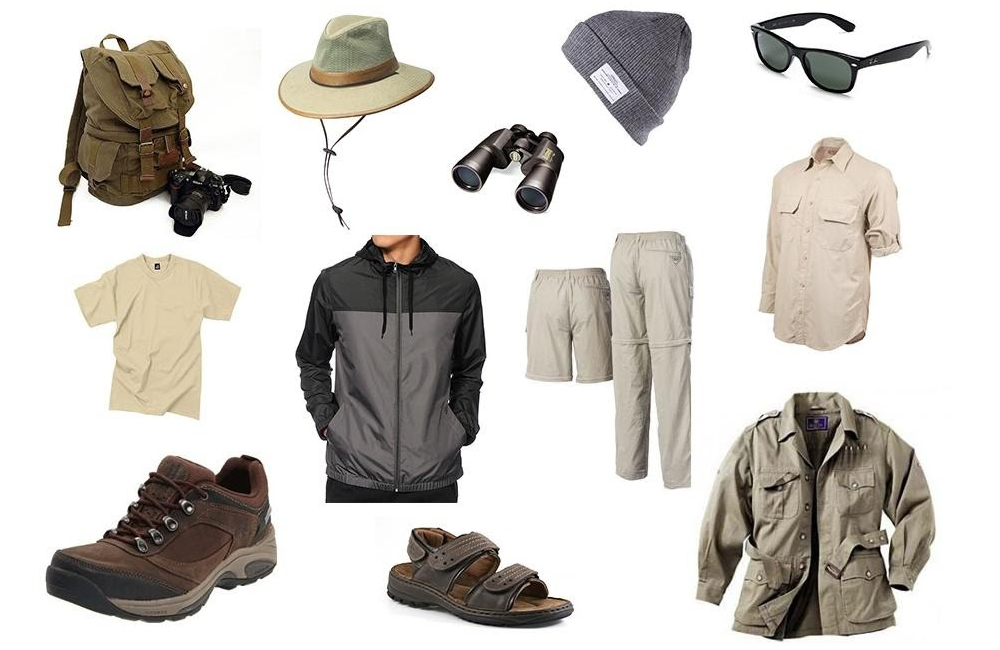
Tourists visiting Rwanda often have many questions regarding what they can bring to Rwanda, such as:
- What To Pack When Going to Rwanda?
- What To Wear When Going to Rwanda?
Answers
We strongly encourage all travelers coming to Rwanda to use a comprehensive Rwanda packing list and pack essential items such as sunscreen for sun protection, insect repellent to protect from mosquito bites, sunglasses, a good hat to keep the strong sun away, a quality camera with extra memory cards & batteries, personal medications, comfortable walking shoes, and a day pack.
We strongly encourage you to wear items like long-sleeved shirts, a rain jacket, sturdy boots, and warm layers like a light sweater or fleece to help handle changing temperatures and cool evenings.
NB: There is a strict ban on plastic bags, so do not carry them to Rwanda to avoid issues at customs.
Frequently Asked Questions about The Infrastructures in Rwanda
Travelers often have concerns about the existing infrastructure in Rwanda, and some of the questions they normally ask include:
- What Plug Socket Do I Need?
- Can I Use My Cell Phone in Rwanda?
- Is There Electricity in Rwanda?
- Is there internet in Rwanda?
Answers
Rwanda uses Type C and J (two round pins) charging ports with a standard voltage of 230V.
You can use your cell phone in Rwanda because the mobile coverage is excellent and Wi Fi accessible. However, for faster services, we recommend that you buy a cheap local SIM card (Airtel or MTN) at the Kigali International Airport on arrival to get affordable data bundles to use during your Rwanda travels.
For more information about the Rwanda travel FAQs or customized Rwanda travel planning, reach out to us now!