 >
> 
UGANDA WILDLIFE SAFARIS, UGANDA WILDLIFE SAFARI TOURS
Embark on Uganda wildlife safaris to experience the incredible biodiversity, especially the endangered mountain gorillas, African savannah elephants, giant ground pangolins, and other wildlife in their natural habitats, which will make your wildlife tour memorable.
Uganda's tourism industry has been thriving, with more visitors opting for safaris after a period of decline during the COVID-19 pandemic.
Uganda is endowed with stunning landscapes, together with a variety of flora and fauna species, due to its tropical forests and savannah plains. It is for this reason that Uganda was described by Winston Churchill as the Pearl of Africa.
In addition to the wildlife experience, you will enjoy cultural encounters with the local people living around the parks, which greatly benefits the local communities.
The country's climate, which supports the ecosystem perfectly, is due to its proximity to the equator, and it adds interest to the Uganda safaris.
Uganda has 10 national parks, 12 wildlife reserves, 13 sanctuaries, conservation areas, forests, mountains, lakes, and rivers, and many other places that are good for game viewing, bird watching, and other things to do when on a Uganda wildlife safari.
Explore the Most Exciting Uganda Wildlife Safari Tour Packages Below.





Travel Destinations to Visit for an Interesting Uganda Wildlife Safari Tour
When planning a trip to Uganda, you should include a visit to at least one of the major national parks for game viewing, and among these parks and other travel destinations include.
Bwindi Impenetrable National Park, Uganda

Bwindi Impenetrable National Park is one of the top safari parks to consider for an interesting Uganda Wildlife safari/Uganda tour. It is located in southwestern Uganda in the Kanungu District near DR Congo’s Virunga National Park.
The park was established in 1991, and it covers an area of 331 km². In 1994, Bwindi NP was inscribed on the UNESCO World Heritage Site list for being home to the endangered mountain gorillas and other wildlife species. This makes it one of the top destinations to consider when visiting Africa for gorilla tours.
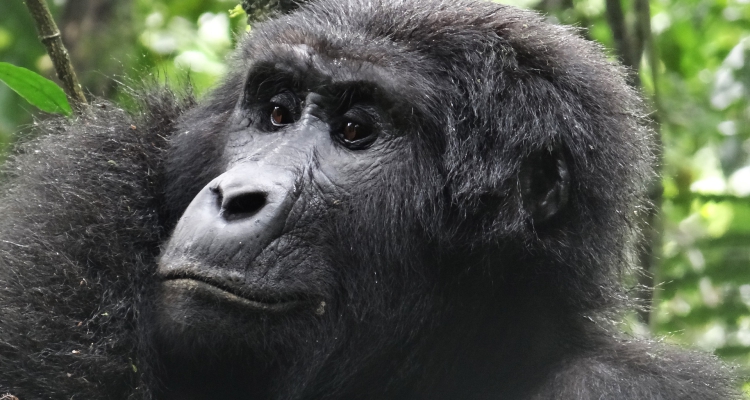
Bwindi Impenetrable Forest Park has almost half of the world’s remaining mountain gorillas, which are approximately 459 individuals. These gentle giants are among the top attractions that most visitors on a Uganda tour would like to see. The park is also famous for its breathtaking green forests.
This population of gorillas, together with that of Mgahinga NP, which is about 30 individuals, ranks Uganda as the country with the largest number of gorillas in the world and the top gorilla tracking destination.
The remaining gentle giants, about 350, live in Virunga NP in the DR Congo, and 380 live in Volcanoes NP in Rwanda.
Besides the gorillas, other primates to see when on a Uganda wildlife tour or primate safari in Uganda in Bwindi NP include Colobus Monkeys and L’Hoest’s Monkeys, among other primates.
Sitatungas, bushbucks, African Golden Cats, Weyns’s Duikers, Bushpigs, and other wild animals can also be spotted in Bwindi NP.
Bwindi NP is also home to over 340 bird species, including the 23 Albertine Rift endemics and many migratory birds.
Queen Elizabeth National Park Uganda
Queen Elizabeth National Park is Uganda’s most visited park, especially for Uganda wildlife tours. It is located in western Uganda in the Kasese District, and it covers an area of 1,978 km².
It is the best place to spot tree-climbing lions in the Ishasha sector and Uganda Kobs. The park is also renowned for its beautiful scenery that provides shelter to diverse animals and several avian species.
This Park is home to elephants, hippos, antelope species, Cape buffalo, lions, giraffes, crocodiles, and many more. You can see these creatures during safari drives, nature walks, or boat cruises.
Over 600 avian species can also be spotted, and among the common ones are flamingos, eagles, kingfishers, and shoebill storks, among others.
In Queen Elizabeth Park, you can do chimpanzee tracking in Kyambura Gorge to see the chimps in their natural habitat.
Visitors who may also take a nature stroll in Maramagambo Forest can spot some chimps, but these are not accustomed to human presence.
To see a high number of crocodiles, Lake Edward and Lake George, which are other locations in this park, are the best spotting areas.
The best time to visit Queen Elizabeth NP is during the dry seasons (June to September and December to February), when vegetation thins and most animals gather around the water holes, making it easy to spot the different beasts.
Kibale Forest National Park, Uganda
Kibale National Park, a renowned place to visit on almost every Uganda wildlife safari. It is located in western Uganda near Fort Portal, sharing the borders with Queen Elizabeth NP.
It is home to 13 primate species, and it is for this reason that it is called the primate capital of the world.
Kibale National Park is well known for chimpanzee tracking in Uganda, East Africa, and all of Africa, given that a large number of chimpanzees, about 1500 out of the 5000 believed to reside in Uganda.
Besides primates, Kibale Forest National Park is also home to other mammals, over 370 avian species, and over 100 butterfly species, worth seeing on a Uganda wildlife safari/Uganda tour.
Murchison Falls National Park

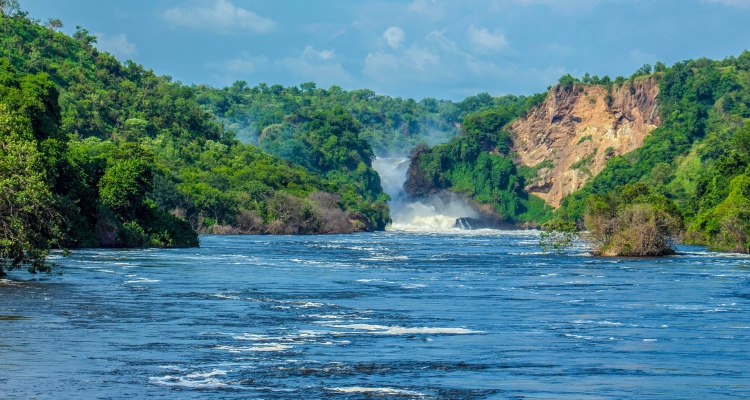
Murchison Falls National Park in northern Uganda, in the Masindi District, is another safari park to visit on a Uganda wildlife safari.
Murchison Falls National Park is the oldest and largest conservation area in Uganda, covering an area of 3,800 km². Its altitude ranges from 619m at the delta on Lake Albert to 1,292m at Rabongo hill.
It is renowned for being home to the world’s most powerful waterfalls, the Murchison Falls.
The Murchison Falls, which are the main attractions in the park, are formed at a point where the River Nile passes through a narrow gorge before plunging about 42 meters in a mighty roar.
While on a visit to Murchison Falls NP, visitors should expect a memorable cruise up and down the River Nile, which is another way of exploring the different parts of the park.
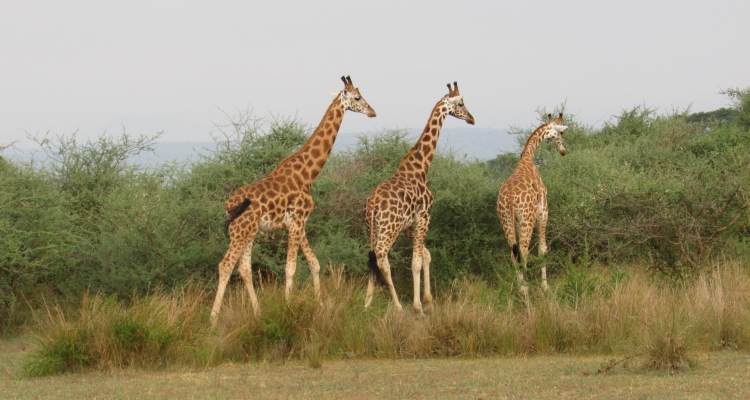
Although the park is renowned for its stunning waterfalls, it is also home to numerous wildlife species, including over 1,000 Rothschild giraffes, Nile crocodiles, antelopes, hippos, cape buffaloes, and other animals, making it one of the best destinations for game viewing on a Uganda wildlife safari.
These animals and many birds can be seen when on a game drive through the park or a boat cruise on the Nile, where you will see some of them along the shores of the Nile River.
You will trek through the Budongo forest to enjoy chimpanzee tracking experiences.
Tour companies usually include stops at the Ziwa Rhino Sanctuary when organizing a Uganda safari to Murchison Falls National Park to see the rhinos that are only found in this sanctuary.
Kidepo Valley National Park
Kidepo National Park in the remote northeastern corner of Uganda, in the Kitgum District, close to the border of South Sudan, is another place to visit on a Uganda Wildlife safari.
The park covers an area of 1,440 km², and it lies at an elevation ranging from 914 meters to 2,750 meters.
Kidepo Valley National Park is described by CNN Travel as among the top three remote parks in Africa due to its pristine and remote wilderness, abundant wildlife, and stunning landscapes. It is also for this reason that Kidepo NP ranks among the greatest wildernesses of East Africa.
It offers stunning views of natural mountains, savannah, swamps, forests, and a variety of wild animals, including cheetahs, leopards, wild dogs, and about 220 avian species.
Besides the wildlife species seen during the Uganda wildlife safaris, visitors have cultural encounters with the Karamojong and the Ik people living in Mount Morungole.
Lake Mburo National Park
Lake Mburo National Park is Uganda’s second smallest game park after Mgahinga National Park, and though small, it offers interesting experiences of a Uganda wildlife safari.
It is located in southwestern Uganda in the Kiruhura District, and it is considered the most accessible park from Kampala.
This park covers an area of 260 km² and it lies between 1220m to 1828m above sea level.
Lake Mburo NP teems with zebras, antelopes, buffaloes, jackals, leopards, giant forest hogs, and hyenas. It is also a birder’s haven with over 300 bird species, and many of these can be seen congregating along the shores of the lake and swamp.
It offers a variety of wildlife safari experiences, including game drives, nature walks, boat cruises, and horseback rides.
Mount Elgon National Park
Mount Elgon National Park, found in the eastern part of Uganda in the Mbale District, extending to Kitale District north of Kisumu in Kenya, is one of the must-visit places when on a Uganda wildlife safari.
The main attraction in the park is Mount Elgon, an extinct volcano with the largest volcanic base on the planet, shared by Uganda and Kenya.
The park’s total area covered is 1,279 km², with an elevation of 4,321 meters above sea level at Wagagai peak.
The Uganda part of the park covers an area of 1,110 km² (430 sq mi), while that of Kenya covers 169 km² (65 sq mi).
Bushes, mountain forests, canyons, waterfalls, and gorges litter the slopes of Mount Elgon in Uganda.
Besides these stunning features, you will see numerous birds and animals, including primates like the blue monkeys and colobus monkeys, among other monkey species, which will make your wildlife experience in Uganda memorable.
Mountain climbing tours are a popular activity in this park, but you can also engage in wildlife safaris, given the animals and avian species that call Mount Elgon NP their home.
Mgahinga National Park
Mgahinga NP, located in southwestern Uganda in the Kisoro District, is also among the top destinations for wildlife safaris in Uganda. It is the smallest of the 10 national parks in Uganda, covering an area of 34 km².
It is famous for being home to the endangered mountain gorillas that are grouped in the one gorilla family, the Nyakagezi family, which has about 30 individuals.
Mgahinga NP is another gorilla tracking destination after Bwindi NP, and it is the only park in Uganda that offers golden monkey tracking.
It is also home to other wild animals, including antelope species, jackals, woodland elephants, leopards, and buffalo, among others.
The best way to explore the park on a Uganda safari is during gorilla tracking, monkey tracking, and nature hikes.
Ziwa Rhino Sanctuary

This sanctuary is another top place to visit on a Uganda wildlife safari, and it’s most visited by visitors on a wildlife trip in Murchison Falls NP since it is a good stopover to this park.
It is visited for being an exceptional place that is inhabited by rhinos in Uganda. The establishment of this sanctuary aimed to safeguard rhinos from poachers and human interference, boost their population, and replenish larger game parks.
Other Travel Destinations for Wildlife Safaris in Uganda
Semuliki National Park—Famous for its birdlife of about 440 avian species and the Sempaya hot springs.
Rwenzori Mountains National Park—Famous for the best mountaineering experience in Uganda, allowing one to see the snow-capped peaks.
Ajai Wildlife Reserve—Home to numerous animals and several bird species.
Pian Upe Wildlife Reserve —The second largest conservation area in Uganda after Murchison Falls NP, and it is home to diverse wildlife.
Kigezi Wildlife Reserve—A sanctuary for herds of elephants and other animal species
Uganda Wildlife Conservation Education Center—This began as a rehabilitation center, and today it acts as a zoo, acting as an education center, educating Ugandans about the benefits of conserving wildlife.
Budongo Forest—A chimpanzee trekking destination after Kibale National Park.
Kalinzu Forest in Queen Elizabeth National Park—A destination for chimp tracking and 5 other primate species like blue monkeys, olive baboons, Black and white colobus, Red-tailed monkeys, and L’Hoest’s monkeys.
Mabamba Bay Swamp—A birding destination with species like the endangered shoebill.
Ngamba Island Chimpanzee Sanctuary —Home to around 532 orphan chimpanzees.
Wildlife Species in Uganda
Uganda’s wildlife comprises wild animals, including endangered species like the mountain gorilla, African savannah elephant, and giant ground pangolin, plus other animal species. You will also see plants and various bird species that will make your Uganda tour more fascinating.
Wild Animals to See on a Uganda Wildlife Safari | What Wild Animals Are in Uganda?
Uganda is home to over 345 animal species, and among them are
Primate Species
Primates are among the top things to see on a Uganda wildlife safari, and they include gorillas, chimpanzees, golden monkeys, olive baboons, bush babies, L’hoest monkeys, Pottos, Grey-cheeked mangabeys, and Black and White Colobus Monkeys.
Carnivores
These normally feed on other animals as their prey, and they include lions, cheetahs, leopards, hyenas, wild dogs, side-striped jackals, bat-eared foxes, banded mongooses, servals, caracals, African golden cats, and genets, among others.
Herbivores
These feed on herbs, and they include buffalo, elephants, rhinos, antelopes, zebras, and giraffes, among others.
Reptile Species to See on Uganda Wildlife Safaris
These include crocodiles, snakes, lizards, geckos, Chameleons, boomslangs, Rock pythons, Tortoises, and Terrapins, among others.
Bird Species in Uganda
There are over 1073 bird species in Uganda, which can be spotted on a Uganda wildlife safari or on a birding tour, and among them is the crested crane which is Uganda’s national bird, shoebill, herons, African fish eagle, barbets, kingfishers, Abyssinian ground hornbill, Great Blue Turaco, African Spoonbill, Secretary Bird, Marabou Stork, Black Bee-Eater, Yellow-billed Oxpecker, Green-Breasted Pitta, etc.
What to Do on a Uganda Wildlife Safari?
There are numerous fascinating things to do when on Uganda wildlife safaris.
Gorilla Trekking in Bwindi Impenetrable NP and Mgahinga Gorilla National Park
Mountain gorilla tracking is considered among the top three activities worth doing while visiting Uganda for an unforgettable Uganda wildlife tour or African wildlife tour.
Gorilla trekking in Bwindi National Park to see the mountain gorillas is a once-in-a-lifetime experience, which involves trekking through the impenetrable forest to see some of the 459 gorillas in their natural environment while closely observing their behaviors.
In Mgahinga NP, it involves visiting the one habituated mountain gorilla family, the Nyakagezi, which has about 30 individuals.
During the gorilla tracking experience, trackers are allowed to spend 1 hour with the gorillas.
The best time for gorilla trekking in Uganda is during the dry seasons (June to September and December to February) since the trekking trails are always dry.
However, some visitors with a low budget and those interested in trekking with fewer crowds can visit the park during the wet seasons (March to May and October to November)
Gorilla habituation involves researchers and trackers spending more time, about 4 hours, with wild gorillas, closely observing their behavior, and getting them used to human presence. This activity only happens in Bwindi National Park.
The research process takes approximately two years to fully habituate and acclimate wild gorillas to human presence.
Chimpanzee Trekking
This involves trekking through the lush Forests for a period of 2 to 5 hours to locate chimpanzees in their natural habitat.
Trackers are only permitted to spend one hour with the chimps after they have been located to watch them play and how they use gestures that they can only comprehend.
Chimpanzee trekking in Uganda takes place in Kibale Forest NP, Budongo Forest (in Murchison Falls NP), Kyambura Gorge (in Queen Elizabeth NP), and Kalinzu Forest.
Chimpanzee Habituation
Chimpanzee habituation involves visitors spending a full day in the forest with chimps, observing their behaviors as they gradually get used to human presence.
The entire chimpanzee habituation process takes about 2–3 years, and this activity only takes place in Kibale Forest NP.
Game Drives and Wildlife Viewing in Different Game Parks
Game drives are one of the best ways to track and see the diverse wildlife in parks like Murchison Falls NP, Queen National Park, Kidepo Valley NP, Lake Mburo NP, and Semuliki NP.
Among the commonly spotted wild animals are giraffes, buffalo, leopards, lions, elephants, antelopes, etc.
Bird Watching
Bird watching is one of the top things to do on a safari in Uganda, given the fact that Uganda is home to over 1073 bird species that make it a birder’s haven.
Common avian species to see include shoebill, herons, African fish eagle, barbets, kingfishers, Abyssinian ground hornbill, Great Blue Turaco, African Spoonbill, Secretary Bird, Marabou Stork, Black Bee-Eater, Yellow-billed Oxpecker, Green-Breasted Pitta, etc.
Mountain Climbing
Climbing different mountains in Uganda is another activity you can still do while on a wildlife safari.
Among the mountains that offer interesting mountain climbing experiences are Mount Elgon, the Rwenzori Mountains, and Mt. Mgahinga, among others, and along the slopes of the mountains, some wildlife species can be spotted.
Nature Walks
The nature walks allow you to explore the different parts of the parks on foot and see the numerous wildlife species more closely.
You will see different plant species, animals, avian species, insects, nests of different birds, and many stunning landscapes, among other attractions.
Exploring Lakes and Rivers
Exploring different lakes and rivers while on a boat cruise and hiking along the shores is another way visitors can see different wildlife when on a Uganda wildlife trip.
The shores of these lakes and rivers are a good place to spot animals and some birds that gather around them for water and food. Some of the birds to see include the African Fish Eagle, the shoebill, among others, which feed on fish.
The shores of the lakes are ideal for relaxation, given the beautiful beaches established along them.
Costs and Charges Incurred on A Wildlife Safari in Uganda
The following are some of the costs to incur per person:
Gorilla Trekking Permits
- $800 for foreign non-residents
- $700 for foreign residents
- UGX300,000 for East African citizens
Chimpanzee Trekking
- $250 for foreign non-residents
- $200 for foreign residents
- UGX180,000 for East African citizens
Golden Monkey Tracking
- $60 for foreign non-resident
- $50 for foreign residents
- UGX 40,000 for East African citizens
Park Entrance Fees in Most of The Parks
- $40-45 for foreign non-residents
- $30-35 for foreign residents
- UGX20,000-25,000 for East African Citizens
How To Get to Uganda for A Wildlife Tour?
By Air
Travelers fly into Entebbe International Airport, the main entry point, which is about 40 km from Kampala, the country’s capital city. This is the largest airport with international flights for inbound and outbound travelers.
From the airport, you will transfer to the hotel or lodge booked via a pre-booked private transfer or hotel shuttle.
Flights to game parks with or near airstrips can still be arranged to save time.
By Road
Upon reaching the Entebbe International Airport, you will transfer by road to the hotel or safari destinations via pre-booked private transfers, hotel shuttles, or taxis. From the hotel, you will then transfer to other safari destinations.
Traveling by road is most adventurous for visitors since it allows them to see the country’s topography and many other things along the way.
What to Wear for a Uganda Wildlife Safari?
Travelers are advised to put on the following clothing for a wildlife trip.
- Long-sleeved shirts, long trousers, and a rain jacket, but of neutral color.
- Sturdy hiking shoes for trekking experiences
- Gardening gloves for chimpanzee and gorilla tracking
- A hat with a wide brim
Note: Avoid body-revealing clothes or indecent attire in case you have added a community tour to your wildlife safaris. It is against Uganda’s culture in most parts of the country for most men and women to expose their bodies.
What to Pack for a Uganda Wildlife Trip?
- First-aid kit with medicine as prescribed by the personal doctor for those with illnesses
- Reusable water bottle
- Camera with extra batteries
- Binoculars for spotting birds and animals from afar
- Power bank and flashlight
- Insect repellent
. Carry enough money and be ready to exchange some of it since some travel destinations require paying in local currency, while others accept US dollars. The official Uganda currency is the Uganda shillings (UGX)
- Travel documents such as a valid passport, visa, and yellow fever vaccination card to enable you to enter Uganda and move to different parts of the country with ease.
Where to Stay When on a Uganda Wildlife Safari?
Accommodation options include
- Gorilla Leisure Lodge, Buhoma Lodge, and Bwindi Lodge in Bwindi NP.
- Kibale Safari Lodge, Ndali Lodge, and Isunga Lodge in Kibale Forest National Park.
- Paraa Safari Lodge, Fort Murchison Lodge, and Red Chili Rest Campin Murchison National Park.
- Pumba Safari Cottages, Enganzi Game Lodge, and Mweya Safari Lodgein Queen Elizabeth National Park.
- Apoka Rest Camp and Kidepo Savannah Lodge in Kidepo Park.
- Mburo Eagle’s Nest, Leopard Rest Camp in Lake Mburo National Park
- Muhabura Motel and Lake Chahafi Resort in Mgahinga NP.
- Ntoroko Game Lodge, Kirumia Guest House, Bumaga Campsite in Semuliki National Park
Rules and Regulations for Uganda Wildlife Safari Tours
- Driving inside the wildlife parks is limited from 7 pm to 7 am except for night game drives in a few areas.
- The speed limit within the parks is 40 km/hr.
- Use of motor horns is prohibited in the parks.
- Avoid littering in the parks.
- Pets of any kind are not allowed in the parks.
- Campfires are only allowed in the designated areas.
- Game drives in the parks and other wildlife areas must be done using designated safari vehicles.
- Carry Park entrance receipts
- Do not destroy any vegetation in the parks and other wildlife areas.
What Is the Best Time for Wildlife Safaris in Uganda?

The best time for a wildlife safari in Uganda is during the dry seasons, which run from June to September and December to February.
During the dry season, the roads leading to the parks and other wildlife areas are passable, the vegetation thins, making it easier to spot animals in the fields, and many of these beasts can be seen gathering around the water holes.
However, some wildlife safaris in Uganda can still take place during the wet seasons, which run from March to May and October to November, especially for those who like fewer crowds and those with a low budget.
Best Tour Companies to Help You Book a Uganda Wildlife Safari
The following are some of the best tour companies renowned for organizing Uganda safaris that give lasting memories.
- Prime Safaris and Tours Ltd
- Wild Gorilla Safaris
- Gorilla Safaris And Tours
- Gorilla Trekking Uganda
- Africa Safaris Tours
- A Uganda Safari
- Uganda Birding Safaris
- Safari Uganda Safaris
- Kampala City Tour
- Self-Drive Car Hire Rentals Uganda
- Car Hire Rentals Uganda Kampala
Travelers should book their Uganda safaris early through the above tour companies to secure the most desired itineraries and accommodations for the best safari experience.
Uganda Wildlife Safaris FAQs (Frequently Asked Questions)
Are There Lions in Uganda?
There are lions in Uganda, primarily found in Murchison Falls NP, which has about 250 lions; Kidepo NP with 132 lions; and Queen Elizabeth NP, with about 70 lions, including tree-climbing lions.
How Much Does a Safari in Uganda Cost?
A Uganda safari/Uganda tour may not have a uniform or constant price, but on average, a one day in Uganda may cost between $300 and $1500 per person per day.
What Can You Hunt in Uganda?
Among the animals to hunt are buffalo, hartebeest, and Uganda Kob, among others. This activity is done in the Bokora Game Reserve, Pian Upe Game Reserve, and Matheniko Game Reserve.
Where Can I See Wildlife in Uganda?
Wildlife can be seen in the 16 national parks, including Murchison NP, Bwindi Impenetrable Forest NP, Kibale Forest NP, and others; in the 9 game reserves, such as Matheniko, Pian Upe, Ajai, and Bokora Corridor Game Reserve; and in the 13 sanctuaries, among other places.
The African elephant, African lion, and mountain gorilla are among the most notable wild animals to see in some of these places in Uganda.
Where Can I See the Big 5 In Uganda?
There is no single park in Uganda with all the big five at once, but lions, leopards, buffalo, and elephants are found in Murchison Falls National Park, Queen Elizabeth Park, Kidepo Valley NP, and Lake Mburo National Park. The Ziwa Rhino and Wildlife Ranch is the only place with rhinos for a complete big five experience.
Is Uganda Good for Safaris?
Uganda is a good safari destination, given its diverse wildlife, breathtaking landscapes, and stunning lakes and rivers, and it offers unique experiences like gorilla trekking.
How Many Safari Parks Are There in Uganda?
There are 10 safari parks in Uganda, which offer a mix of environments, including swamps, savannahs, and forests. These parks include;
- Queen Elizabeth NP
- Murchison NP
- Bwindi Impenetrable Forest NP
- Kibale Forest NP
- Mgahinga Gorilla NP
- Kidepo Valley NP
- Rwenzori Mountains NP
- Mount Elgon NP
- Semuliki NP
- Lake Mburo NP
What Is the Biggest Wildlife Animal in Uganda?
The biggest wild animal in Uganda is the African elephant. A mature male elephant weighs 5 to 6 tons, females weigh around 3 to 4 tons, and a baby elephant weighs 90 to 120 kg.
What Is Meant by Wildlife Safari?
A wildlife safari is a trip to an area with diverse wildlife, such as game parks, national reserves, and sanctuaries, to observe various animals, birds, reptiles, insects, and plants, among others, with the help of tour guides, when on safari vehicles and nature hikes, among other methods.
Conclusion
A uganda wildlife safari is one of the memorable tours in Uganda, given the numerous travel destinations, diverse wildlife species, and interesting things to do. Some of the travel tips have been provided on when to visit, what to pack, and wear to help you in planning and booking a trip that promises lasting memories.

Over 300 excellent reviews on TripAdvisor
Over 50 excellent reviews on Safaribookings.
Over 50 excellent reviews on Safaribookings.
12+ years of experience.
Best price guarantee.
Robert
Are you planning a safari and tour? Consult a safari specialist for guidance...
If you're looking for excellent safari advice, Reach out to us via phone or schedule a video conference with our specialists.