 >
> 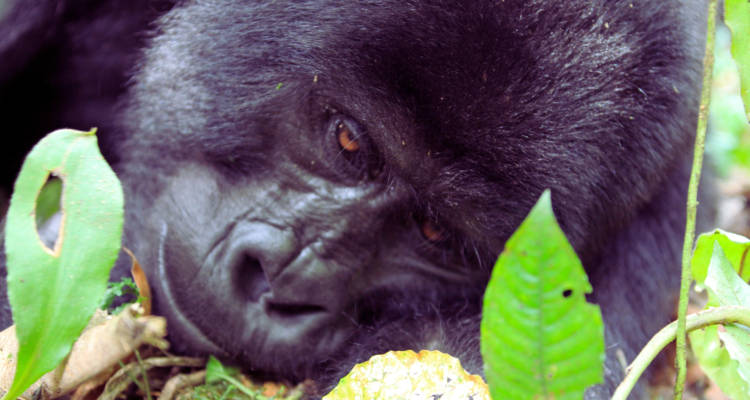
The primeval forests of East Africa hold a secret that few people ever witness firsthand. High within the volcanic peaks and dense, tangled emerald canopies, the mountain gorilla—our majestic, silver-backed cousin—lives in a world seemingly untouched by time.
For many, a gorilla safari is not just a holiday; it is a pilgrimage. Whether you are navigating the rugged ridges of Bwindi or the bamboo-clad slopes of the Volcanoes National Park, the experience of locking eyes with a 400-pound silverback is, quite simply, life-altering.
As a seasoned safari expert with over a decade of experience in these rainforests, I have seen how the landscape of gorilla safaris in Uganda Africa has evolved. Today, it is no longer just about the trek; it’s about choosing the right rhythm for your adventure.
Why Uganda and Rwanda are the Twin Hearts of Primate Tourism
While mountain gorillas are found in the Virunga Massif (shared by Rwanda, Uganda, and the DRC) and Uganda’s Bwindi Impenetrable Forest, the choice between Rwanda and Uganda often comes down to your personal “safari personality.”
Rwanda: The Luxury of Accessibility
If you are short on time or prefer a more refined experience, Gorilla Tracking Rwanda is your gold standard. Located just 2.5 hours from Kigali International Airport, Volcanoes National Park offers world-class luxury lodges and shorter, generally more open trekking trails. It is the destination for those who want to combine a high-end getaway with a poignant conservation story.
Uganda: The Adventurer’s Wild Frontier
For those seeking a deeper immersion, Uganda gorilla safaris offer a raw, authentic connection to the wild. Uganda gorilla tours primarily take place in Bwindi Impenetrable National Park—a UNESCO World Heritage site that truly lives up to its name. The terrain is steeper, the foliage thicker, and the sense of discovery more profound. With over 20 habituated families, Uganda provides a diverse range of trekking experiences, from the mist-covered valleys of Buhoma to the high-altitude ridges of Nkuringo.
Curating Your Ideal Gorilla Safari in Uganda Africa
When planning gorilla safaris in Uganda Africa, it is essential to look beyond the permit. While the permit is your “golden ticket,” the magic lies in the details.
- The Habituation Experience: Exclusive to Uganda’s Rushaga sector, the Gorilla Habituation Experience allows you to spend four hours with the gorillas instead of the standard one. This is for the true primate enthusiast who wants to witness the subtle social cues and family dynamics of a wild group being introduced to human presence.
- Diverse Landscapes: Many Uganda gorilla tours now integrate “primate double-tracking.” Imagine trekking for gorillas in Bwindi one day and tracking chimpanzees in Kibale Forest—the primate capital of the world—the next.
- Community Connection: Modern ethical travel is about people. Many lodges in both Rwanda and Uganda now offer village walks where you can visit local schools or learn about traditional medicine, ensuring your visit directly benefits the guardians of the forest.
The Best Time to Trek: Weathering the Mist
While you can visit these gentle giants year-round, timing your safari can change the texture of your trip. The dry seasons (June to September and December to February) offer firmer trails and clearer photography conditions. However, the “green seasons” (March to May and October to November) bring a lush, ethereal beauty to the forest and often mean fewer crowds at the park headquarters.
5 Frequently Asked Questions (FAQ)
- Is gorilla trekking in Uganda or Rwanda better?
Neither is “better,” but they are different. Rwanda offers a luxury, high-access experience ($1,500 permit), while Uganda is more budget-friendly ($800 permit) and offers a more rugged, adventurous trek. If you want a quick 3-day trip, choose Rwanda. If you want a 10-day diverse wildlife safari, Uganda is your best bet.
- How physically fit do I need to be for gorilla tracking?
You don’t need to be an Olympic athlete, but you should be comfortable walking for 2 to 6 hours on uneven, hilly terrain. The beauty of these parks is that rangers try to assign groups based on fitness levels. Porters are also available for hire (approx. $20) to help carry your gear and provide a steady hand on slippery slopes.
- What should I pack for a gorilla safari?
Avoid “safari chic” and focus on utility. Long-sleeved shirts and trousers are a must to protect against stinging nettles. Waterproof hiking boots with good grip, garden-style gloves (for grabbing vines), a lightweight poncho, and plenty of insect repellent are the essentials.
- Can I see gorillas if I have a cold or the flu?
To protect the gorillas, who share 98% of our DNA and have no immunity to human respiratory diseases, anyone showing signs of illness will not be allowed to trek. This is a vital conservation rule to ensure the survival of the species.
- How far in advance should I book my gorilla permit?
Permits are strictly limited (8 people per family per day). During peak seasons, they sell out 6–12 months in advance. To secure your preferred dates for Uganda gorilla tours, it is best to book at least half a year before your travel date.
Editorial Policy & Research Standards
At Gorilla Tracking Rwanda, our content is rooted in firsthand field experience and up-to-date conservation data from the Uganda Wildlife Authority (UWA) and the Rwanda Development Board (RDB). We prioritize sustainable tourism that empowers local communities and protects the delicate ecosystem of the Albertine Rift. Every recommendation is vetted for ecological impact and ethical animal welfare standards. We do not support any practices that disturb the natural behavior of the mountain gorillas.
Contact Details
- Company Name: Gorilla Tracking-Rwanda
- Official Website: www.gorillatracking-rwanda.com
- Address: Plot 1958, Bweya Kanyigo, Along Kajjansi Bweya Lutembe Rd, Near Westminster Christian Institute,Uganda.
. - Email: info.splendidafricansafaris@gmail.com
- Phone / WhatsApp: * (+256) 393-103-285 (Office)
- (+256) 781686907 (WhatsApp)
- (+256) 747047761 (Mobile)
- (+256) 702181380 (Emergency)
More posts for you

Over 300 excellent reviews on TripAdvisor
Over 50 excellent reviews on Safaribookings.
Over 50 excellent reviews on Safaribookings.
12+ years of experience.
Best price guarantee.
Robert
Are you planning a safari and tour? Consult a safari specialist for guidance...
If you're looking for excellent safari advice, Reach out to us via phone or schedule a video conference with our specialists.