>
> UGANDA TRAVEL ADVISORY: UGANDA TRAVEL GUIDE
Are you planning for your Uganda safari and wondering where to start from? Look no further than this Uganda travel advisory. This Uganda travel guide resource is enriched with expert knowledge on everything you need to know before you embark on your trip.
You will learn about the best destinations to visit, enjoyable travel experiences, necessary safety precautions, entry requirements, Uganda’s local laws and cultures, the ideal time to visit, and other important travel considerations.
Key Ideas About Uganda’s Travel Guide
- Detailed overview of the top places to visit on a Uganda safari, including Bwindi Impenetrable National Park, Queen Elizabeth National Park, among others.
- Breakdown of top tourist activities to enjoy on a Uganda safari, including gorilla trekking, chimpanzee trekking, birding, white water rafting in Jinja, among others.
. A detailed breakdown of the travel tips for a successful Uganda safari, including health requirements, local transportation, people and language, safety and security tips, LGBTQIA+ travel considerations, what to pack, and the best time to visit, among other important information.
Top Travel Destinations in Uganda
The following are some of the top travel destinations to visit when on a Uganda holiday.
Bwindi Impenetrable National Park
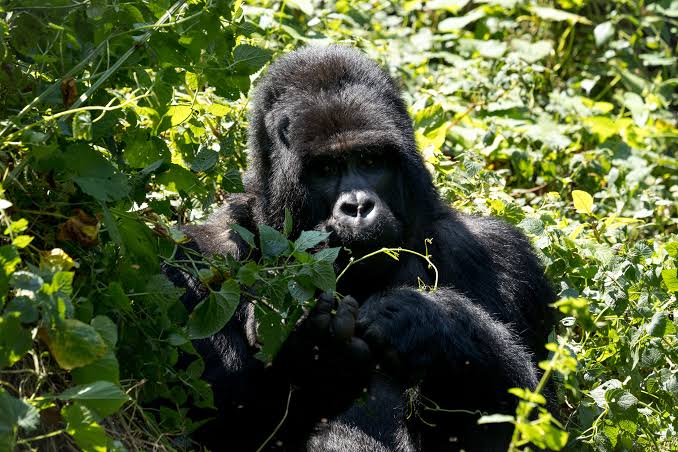
Bwindi Impenetrable National Park is one of Uganda’s most visited national parks for interesting wildlife safaris or primate tours.
The park is in the south-western part of the country, in Kanungu District. It has an area of about 331 square kilometers, and it was designated a UNESCO World Heritage Site in 1994 for its biodiversity.
Bwindi Impenetrable National Park provides habitat for 45% of the global mountain gorilla population, making it the world’s top destination for mountain gorilla trekking/gorilla tours.
It also inhabits other wildlife species like forest elephants, giant forest hogs, bush pigs, jackals, bushbucks, sitatungas, etc.
Queen Elizabeth National Park
Queen Elizabeth National Park is Uganda’s most visited national park by visitors on a wildlife safari. It is located in western Uganda in the districts of Rubirizi, Kamwenge, Kasese, and Rukungiri, covering about 1,978 square kilometers.
This park is famous for its tree-climbing lions found in the Ishasha sector that are often spotted when on a game drive. Other wildlife includes elephants, leopards, thousands of hippos, buffalo, Uganda Kobs, crocodiles, and many more.
Murchison Falls National Park
Murchison Falls National Park, situated in Nwoya, Buliisa, and Kiryandongo districts of northwestern Uganda, is another popular travel destination to visit when on a Uganda safari.
The park is celebrated for the Murchison Falls, widely recognized as the world’s most powerful waterfalls. Their immense force and striking beauty create breathtaking, enduring memories for all travelers who visit this extraordinary destination.
It is home to over 76 mammal species, including four of the big five (lions, buffalo, leopards, and elephants) and over 450 avian species that are worth seeing on a Uganda wildlife safari.
Visitors to this park can enjoy interesting boat cruises on the Victoria Nile and, just below the falls, hikes to the top of the falls, and game drives, among others.
Kibale Forest National Park
Kibale Forest National Park, commonly referred to as the primate capital of the world, is another top destination to visit.
Kibale National Park hosts thousands of chimpanzees, making it the best park to see these primates on any African travel. The park is also home to 12 other primate species, and it is for this reason that it is referred to as the primate capital of the world.
Kidepo Valley National Park
Located in the Karamoja region of northeastern Uganda near the borders of both Kenya and South Sudan, Kidepo Valley National Park is one of the country’s most remote areas, offering an untamed wilderness.
The park is known for its vast rugged savannah, Narus Valley, and the epic Mount Morungole, home to over 77 mammal species and over 470 avian species. Kidepo Valley National Park is also renowned for offering interesting game drives, nature walks, bird watching, and other interesting safari experiences.
Mgahinga Gorilla National Park
Mgahinga Gorilla National Park is situated in Kisoro District in southwestern Uganda, covering an area of about 34 square kilometers.
This park is home to about 30 mountain gorillas, making it a perfect destination for gorilla trekking after Bwindi Impenetrable National Park.
Mgahinga NP is the only park in Uganda that is home to golden monkeys, making it one of the few locations in Africa for golden monkey tracking.
Rwenzori Mountains National Park
Rwenzori Mountains National Park is one of the most popular places for mountaineering safaris in Uganda.
The park is situated in western Uganda along the border with the Democratic Republic of Congo.
It is famous for the Rwenzori Mountains (Mountains of the Moon), the highest mountain in the country, which is filled with equatorial snow at the peak, standing at an elevation of 5,109 meters (16,762 feet) above sea level.
Besides being a mountaineering destination, the park is home to various flora and fauna, making it a good place for wildlife safaris in Uganda.
Adventure Activities in Uganda
Uganda offers a variety of adventure activities such as hiking, rafting, bird watching, horseback riding, nature walks, and gorilla trekking, among others.
Gorilla Trekking
Tracking mountain gorillas is a significant adventure experience in Uganda, particularly in Bwindi Impenetrable National Park and Mgahinga Gorilla National Park. It is ranked among the most interesting things to do when on any African safari.
Visitors engaging in gorilla tracking can expect different hiking conditions based on the proximity of the gorillas to the trailhead.
During the gorilla trekking experience, travelers are given one observation hour, where they watch gorillas feeding, nurturing, and grooming.
To participate in this interesting activity, participants must have a gorilla trekking permit and should be 15 years old and above.
Chimpanzee Tracking

Chimpanzee tracking is another interesting adventure activity that can be done in several forests, notably Kibale National Park.
The guided chimp tracking is done early at 8:00 AM, 11:00 AM, and 2:00 PM, and it starts from the Kanyanchu Visitor Center after the briefing.
On this interesting activity, visitors are allowed one hour in the presence of the chimps to observe their social interactions, feeding habits, and playful nature, offering a window into their fascinating lives.
During this engaging activity, visitors are permitted one hour in the presence of the chimpanzees when they observe their social interactions, feeding behaviors, and playful conduct, thereby gaining valuable insight into these remarkable animals and their captivating daily lives.
Besides Kibale National Park, chimpanzee trekking can also be done in other Ugandan forests like Kalinzu Forest near Queen Elizabeth NP, Budongo Forest near Murchison Falls, and in Kyambura National Park.
Game Drives
Game drives are another intriguing adventure activity not to miss out on, especially on a wildlife safari in any of the savannah national parks in the country.
These are done using 4X4 safari vehicles that can cruise across savannah parks like Murchison Falls NP, Queen Elizabeth NP, and Kidepo Valley NP, among others.
These drives are done early in the morning, afternoon, evening, and sometimes at night for nocturnal animals. They feature animals like giraffes, leopards, elephants, tree-climbing lions of the Ishasha Sector, and many more.
Bird Watching
Uganda is home to over 1,000 species of birds, which exceeds 10 percent of all the world’s species, making it one of the best destinations for bird-watching safaris.
There are several locations for birdwatching in Uganda, including Ramsar birding sites like Mabamba Bay Wetland, Lutembe Bay Wetland System, and Murchison Falls-Albert Delta Wetland System, among others.
Some of the key species to spot include the shoebill, green-breasted pitta, Rwenzori turaco, handsome francolin, blue swallow, black bee-eater, and African green broadbill, among others.
White Water Rafting on the Nile River in Jinja
Nile rafting near Jinja is a popular adventure offering various grades of rapids (Grade 3 to Grade 5 rapids) for enthusiasts, and at each of these rapids, a different price is charged.
Although some of the recent routes were altered by the recent dam construction, new routes have been established to continue providing the same adrenaline-filled experience.
Rafting excursions can be booked either directly with rafting companies or through tour companies like Prime Uganda Safaris and Tours Ltd.
Mountain Climbing Adventures
Mountain climbing adventures offer thrilling opportunities with spots like Mount Elgon and the Rwenzori Mountains, among others.
The Rwenzori Mountains are the tallest mountain range in Uganda and the third-highest in Africa, offering various trail circuits for hikers.
Hikers can experience breathtaking scenery while traversing the Rwenzori Mountains, which include various vegetation zones.
When on Mount Elgon, hikers experience diverse vegetation zones, ancient caves, various wildlife, including primates, and the roaring waterfalls like the Sipi Falls, which also offer day hikes with beautiful views and a local culture experience.
Boat Trips
Boat trips are among the interesting adventure activities when on a Uganda holiday.
These trips are centered around places like Jinja on the Nile River, Murchison Falls, Lake Mburo NP, Lake Albert, and Lake Victoria, among other spots.
Places like Lake Victoria provide other opportunities, such as sport fishing adventures, including Nile perch fishing, bird watching, and many more.
Other Essential Country Information You Must Have for Any Uganda Safari
Besides places to visit and what to do, the following are some of the important things you must know before visiting Uganda.
Healthy Requirements
Your health is very important before you get involved in any trip. It is always important that you visit your healthcare provider for medical assistance 6 weeks before you travel.
When traveling to some destinations, you may be at risk of contracting some diseases, and these can be prevented either by medication or vaccination.
Uganda, as a travel destination, emphasizes vaccinations, such as hepatitis A, yellow fever, measles, hepatitis B, COVID-19, influenza, malaria, rabies, and polio, as country entry requirements.
In case of any health emergency that needs quick attention, many private clinics and hospitals in Uganda are widely available and inexpensive.
It is also advisable that before you travel, it is important to visit the Centers for Disease Control and Prevention (CDC) website for the latest Travel Health Information (opens in a new tab) for Uganda.
Be it a first-time or frequent traveler, we advise you to buy travel insurance before you travel. You should also check with your insurance provider about evacuation assistance, medical insurance, and trip cancellation coverage.
Currency And Money Management
Uganda’s currency is the Ugandan shilling, and this is widely accepted in most parts of the country for easy transactions, especially with the locals who are not used to any foreign currency.
Not many Ugandans are used to the cashless economy, so cash is preferred for transactions, with some places accepting US dollars and British pounds.
Although ATMs are available in most cities in Uganda, travelers are advised to carry sufficient cash since some ATMs run out of cash. In case you have no cash. Credit cards are also accepted at airlines, hotels, and large restaurants, among other upscale establishments.
It is also important to note that as you strive to exchange foreign currency for Ugandan shillings, most banks and forex bureaus do not accept or exchange U.S. dollars printed before 2009.
Tipping in Uganda
On your safari, we do not mind how you may spend your money, but if you use part of it to tip guides and porters, it is not mandatory, and you determine how much you are willing to offer.
Gifts And Shopping
While on your Uganda holiday, you can buy some of the country’s best products, like the well-processed coffee, given the fact that Uganda is one of the coffee-growing countries.
You can also visit craft markets in Kampala and any other place and buy wood carvings, mats, beads, bark cloth crafts, and other items for souvenirs. The revenue from the sale of these crafts is used to support local communities.
Local Transportation
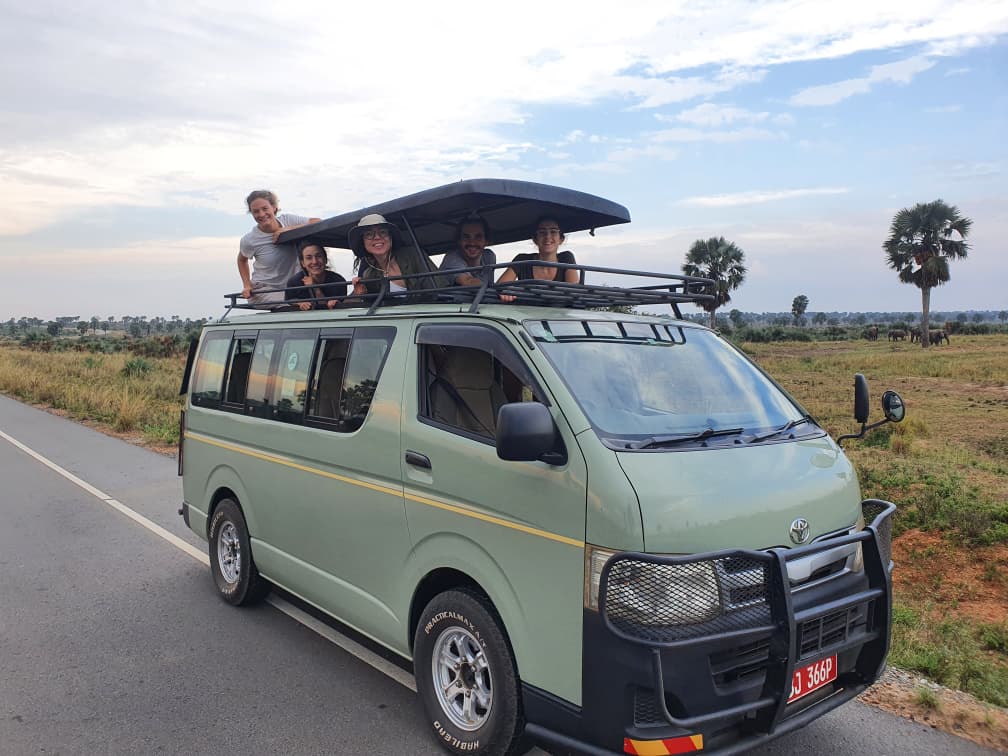
The following are some of the requirements and things to know to travel within Uganda.
Visa
Visa requirements are necessary for most nationalities to enter Uganda. An e-visa can be applied for online at least five working days before the date of travel.
The e-visa system was implemented in 2016, and a statement that it would completely replace the Visa on Arrival (VoA) was issued, but this change has not completely happened, and tourists can still buy a Visa on Arrival at any overland border or at Entebbe International Airport.
A standard single-entry visa to Uganda costs US$50 and is valid for 90 days. An East African Tourist Visa valid for 90 days for Uganda, Rwanda, and Kenya is also available on arrival for a fee of US $100. Multiple-entry visas cost US$100 for 12 months, US$150 for 24 months, and US$200 for 36 months.
Internal Driving Permit
Foreign tourists must possess a valid International Driving Permit (IDP) alongside the home country’s driver’s license to legally drive in Uganda. These permits are required by companies, and traffic police conduct checks along the road.
The IDP can be obtained in person via the AA Uganda or online at E-ITA or the International Drivers Association, and it is valid for 1-3 years.
Public Transportation
Travelers should remain vigilant when using public transportation or walking along the deserted streets.
Public transportation may be difficult for travelers with mobility issues, yet footpaths and road crossings are sometimes not properly marked, so in this case, you will need someone to help you.
The main forms of public transport in Uganda are buses, minibus taxis, and matatus, with buses being generally safer. When using public means, avoid taxis or matatus with only one or two passengers, and also ensure that your belongings are all safe at all times.
For tourists who may hire private vehicles, driving in Uganda is done on the left side of the road, and they should obey all traffic rules.
The Ugandan law requires that all drivers stop and exchange information with traffic officers when asked to assist them in case of any accident scenarios.
Solo Traveling
Uganda is generally safe for travelers, especially when using reputable and licensed tour operators. You should avoid traveling at night because of the risks of petty crimes like pickpocketing.
When planning to travel alone, you should secure a registered taxi and app-hailing services like SafeBoda, Uber, Faras, and Bolt, among others.
These hailing services allow cashless payments, real-time tracking, and upfront pricing.
Road Safety
Travelers should be mindful while driving on many Ugandan roads. Some roads lack traffic signs, wandering animals, reckless driving habits, and poor road conditions, which pose a risk and cause accidents.
Alcoholism, especially at night, is contributing to a high number of accidents, so highway travel is dangerous when the darkness falls because of poor visibility and banditry, and it is strongly recommended to avoid driving at night.
It is also advisable to get more information from the appropriate border police station concerning the security situation of your next destination.
People and Language
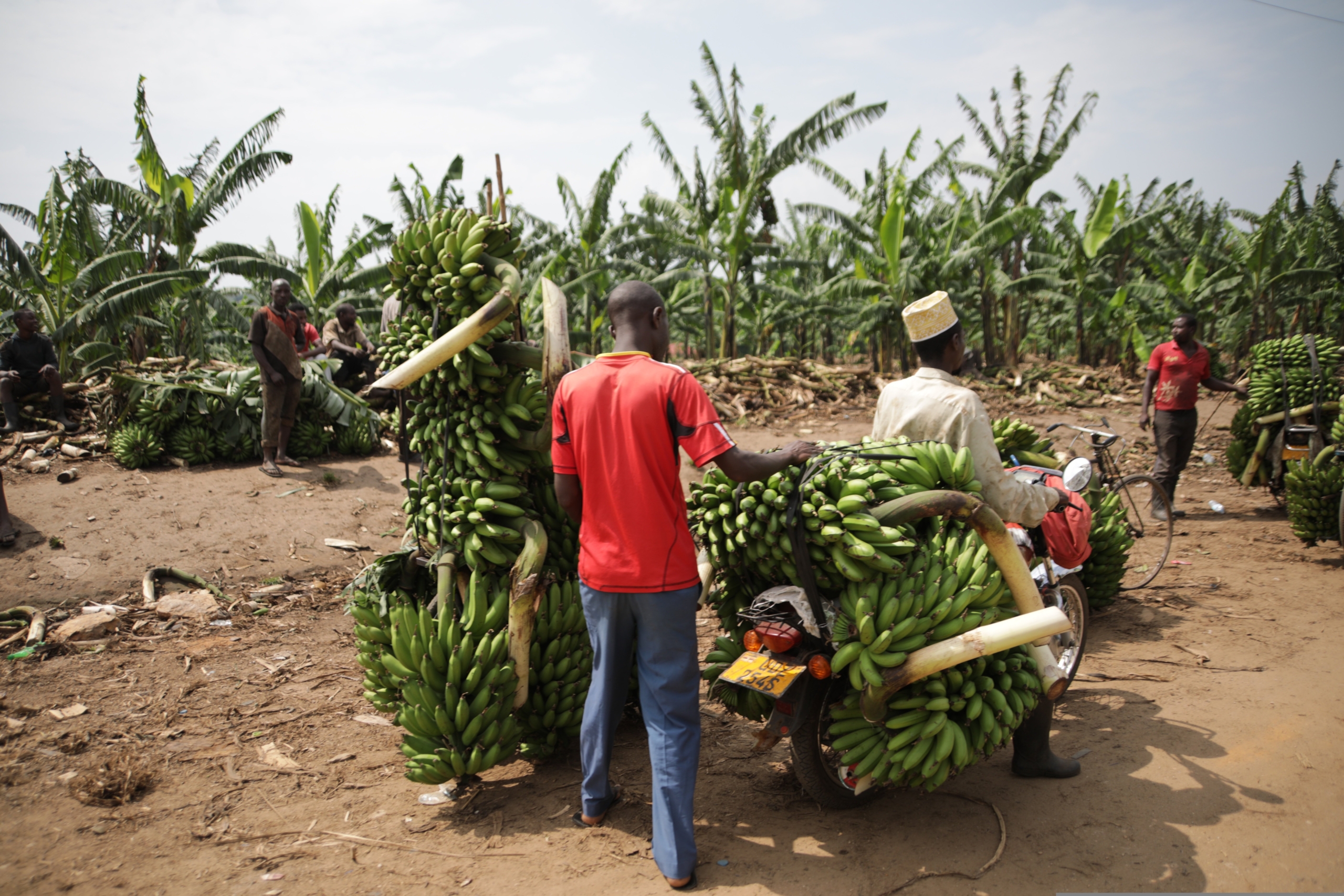
Uganda has over 65 distinct tribal groups, and people in these various groups are known for their warm, friendly demeanor and hospitality.
Traditional customs can vary significantly across different regions of Uganda, and the different cultures are marked by a variety of music, dance, and dress.
Some ethnic groups are defined by their ancestral lands; for instance, the Batwa are synonymous with the traditional forest life of Uganda.
Art and craft stalls in Uganda showcase the creativity of the local youth and women, and while on your Uganda safari, feel free to visit any craft market and buy impressive art pieces and other items as souvenirs.
Local Language
Uganda is a multilingual country with more than 40 recognized languages spoken, depending on the source. You will find a vast majority of people speaking English alongside their native languages. Local languages like Swahili are mostly used by security guards in almost all parts of the country.
Luganda is the most spoken language in almost the entire country, though it serves as the main lingua franca in Kampala and the central region, and it is understood in many parts of the country.
Other key languages in the different regions are Luo (northern), Atesot (eastern), and Runyakitara (western). When visiting, you’ll find that Ugandans are very hospitable, often greeting visitors with a warm “Welcome!” or using the term “Mzungu” to refer to foreigners.
With all the above about people and language, it makes it really hard not to fall in love with the Ugandan culture.
LGBTQIA+ Travel Considerations in Uganda
Same-sex acts are illegal in Uganda, and the country has some of the hardest anti-LGBTQIA laws in the entire world, with punishment including life imprisonment or the death penalty.
Uganda passed the Anti-Homosexuality Act in 2023, so all travelers planning a trip to Uganda must exercise high discretion, avoid public displays of affection, and obey the local law concerning same-sex relations.
Foods And Drinks
Local food in Uganda often includes staples like rice, chapati, and matoke. Street foods include Rolex (chapati rolled with egg and veggies), Kikomando (chapati and fried beans), fried cassava, and seasoned grilled meat (goat or chicken).
In some restaurants, you will enjoy other cuisines like Italian, Chinese, West African, German, American, and Indian food.
Tap water in large towns is reasonably safe to drink, but bottled mineral water is widely available and highly recommended to use.
Cooking for Yourself
Travelers, especially those on long trips or those hiking or camping, can choose to cook for themselves rather than eat at the restaurant. Almost all food is sold in markets. Supermarkets are also available in most towns, selling frozen meat, tinned goods, and other items that are still in good condition. With all the necessary food supplies, you can cook the best dish of your choice.
Spiked Food and Drinks
Do not leave food or drinks uncovered, unattended, or under the care of strangers to avoid cases of food poisoning. Never accept beverages, snacks, cigarettes, or any related items from strangers, as these items may contain drugs and could put you at risk of
Safety And Security Tips
Uganda is considered one of the safest countries for travelers in Africa, with a few cases of insecurity. This peace and security are a combined effort of the Uganda police and UPDF.
The only region that had subsequently faced security issues is the north, but reports say that these were settled. Though some cases of insecurity surfaced again in 2019, when an American tourist and the local driver were kidnapped during a game drive in the Ishasha sector, the Ugandan government paid the ransom demanded, and security in all parks was tightened.
Despite the government’s effort in maintaining a politically stable state, minor cases still prevail, and tourists should take caution. Just like many other cities, Kampala is known to have risks of drive-by theft, especially in high-traffic areas.
Keeping a Low Profile
To avoid being a victim of theft, robbery, fraud, and scams, it is advisable to maintain a discreet demeanor and be aware of your surroundings to avoid drawing the attention of would-be criminals.
It is advisable to notify friends and family about your holidays and share your location and emergency contacts for easy tracking in case anything goes wrong.
Avoid sharing your personal details with strangers and refrain from discussing your money or any business affairs. When using ATMs, it should be in broad daylight.
Theft
Tourists must exercise high caution regarding petty theft, especially in crowded places like markets and transport hubs. Bag snatching, pickpocketing, and phone theft are common, especially in the dark.
To avoid theft, avoid traveling at night, and if so, use reputable taxis or ride-hailing services like Uber, Faras, and others.
Scams
It is important to know that there is a financial scam, particularly through fake rental agencies and online fraud. You should verify all bookings and avoid paying for anything without verification.
You should avoid paying in cash in advance but use transfers to verify and always insist on signed contracts.
Kidnapping
Kidnappers often target foreigners and are also driven by economic motives rather than terrorism. Tourists should take caution in risky areas like the Ugandan border with the DR Congo and South Sudan and should move at least 50 kilometers away from them.
Terrorism
Like most cities around the world, Kampala is vulnerable to terrorist attacks, as evident in the 2020 incident where about 74 people were killed in a twin blast. On your safari holiday, it is advisable to avoid very large gatherings since they are often the target of terrorists.
How to Get to Uganda for a Safari?
By Air
To get to Uganda for a safari, fly into the Entebbe International Airport (EBB), which is the main gateway situated 40 kilometers away from Kampala.
Commonly used airlines include Qatar, KLM, Kenya Airways, and Emirates, which offer daily flights. Tourists must apply for a standard Uganda tourist visa or the East Africa Tourist Visa, covering Uganda, Rwanda, and Kenya. These visas can be applied for via the official Uganda immigration website.
By Road
Tourists are traveling by road from the other African countries neighboring Uganda, and all drivers must have a valid driver’s license in any of the partner countries.
There are several entry/exit stations and about 13 passport centers to ease documentation.
Main entry points to Uganda include the following:
- Kenya – Uganda border: Busia and Malaba
- Tanzania – Uganda border: Mutukula
- Rwanda – Uganda border: Katuna and Cyanika
- South Sudan – Uganda border: Elegu/Nimule
Where to Stay When on a Uganda Holiday?
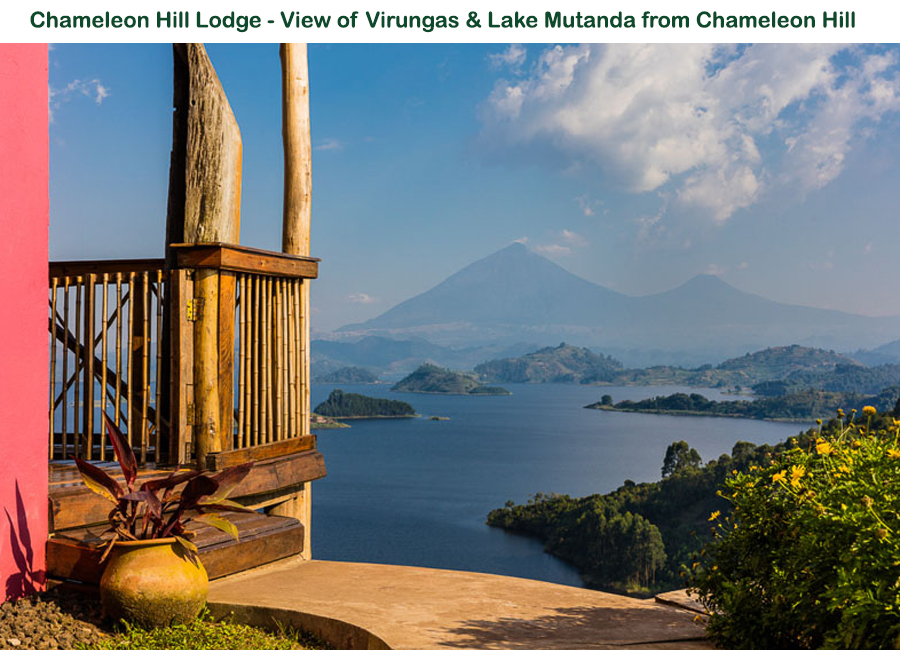
There are various accommodation options in Uganda, ranging from budget to mid-range to luxury facilities, where visitors can have dinner and spend the night.
These accommodation options are strategically located near national parks, vibrant towns, and various travel destinations in Uganda.
Best Time to Visit Uganda for a Safari
Uganda can be visited year-round, but the varied climate significantly affects travel plans and when to really set off for a safari holiday.
Dry Season
The best time to visit Uganda is during the dry season from June to September and December to February. During these drier months, hiking trails for activities like chimpanzee and gorilla trekking are dry, and all roads leading to national parks and other safari destinations are easier to navigate.
The Rainy Season
Rainfall is a major consideration when planning travel to Uganda. The wettest months associated with heavy showers are March to May and October to November.
Though these months are associated with rain, it is the best time for budget travel because of discounted rates on accommodation, and it also favors those who want to tour with fewer crowds.
Packing List for a Uganda Safari
The following are some of the essential items to pack for a Uganda safari:
Clothes/What to Wear
- Long-sleeved shirts and long pants
- Warm layers
- Waterproof hiking boots
- Long socks
- Buff or scarf for protection against dust on drives
Toiletries
- High-SPF sunscreen
- Insect repellent, like the permethrin-treated clothing
- Hand sanitizer and wet wipes
- Basic first-aid kit with painkillers,
Other Important Items
- Daypack
- A camera with extra batteries/memory cards
- Binoculars
- Headlamp or flashlight.
- Travel adapter. The plug type used in Uganda is G, similar to that used in the UK, Ireland, Singapore, and Malaysia.
Documents
- Passport
- Yellow Fever Certificate
Top Uganda Tour Operators to Book Your Safari With
These are some of the top-rated tour companies renowned for preparing authentic safaris.
- Prime Safaris And Tours Ltd
- Wild Gorilla Safaris
- Safari Uganda Safaris
- Gorilla Safaris And Tours
- A Uganda Safari
- Africa Safaris Tours
- Uganda Birding Safaris
- Gorilla Trekking Uganda
Travel Guide to Uganda FAQs (Frequently Asked Questions)
Is It Safe to Travel to Uganda Right Now?
Uganda, the Pearl of Africa, as nicknamed by Winston Churchill, is one of the safest African countries to travel to for tourists, given its political stability. However, when visiting some national parks, especially those near the border of South Sudan and DR Congo, one requires a high degree of caution due to threats of terrorism and kidnapping. Around these borders, tourists should walk at least 50 km away from them.
How Do I Prepare for a Trip to Uganda?
Preparing for a trip to Uganda requires the following:
- Choose places to visit: Here, you select the different travel destinations in Uganda.
- Choose when to go: after selecting where to go, you then choose which is the best time to visit these destinations and see when these activities are best done.
- Obtain a visa for entry: You should obtain a visa in advance or upon arrival and ensure that your passport is valid for at least six months.
- Reserve your activities and accommodation in advance when there is still availability.
- Book permits in advance: In case you are interested in chimpanzee or gorilla trekking, permits can be booked at least 6 months before you travel.
- Purchase your travel insurance: this guarantees travelers’ safety and protection in case of any emergencies, like flight cancellation and medical emergencies.
- Health and vaccination: You should consult your personal doctor and get the necessary vaccines at least 6 – 8 weeks before you travel. Pack all the necessary drugs, including anti-malarial medication and strong insect repellent.
- Purchase all essential items, including clothing, footwear, and gear, among others
- Carry enough money and plan how to manage it: The only accepted US Dollars is that printed after 2009, and they should be exchanged for Ugandan shillings at reputable forex bureaus.
- Buy a local SIM card (Airtel or MTN) for better internet connectivity.
- Do continuous research about Uganda before you travel.
What Is the Best Month to Visit Uganda?
The best months to visit Uganda are June to September and December to February, which are the driest periods, offering optimal wildlife viewing and hiking conditions in all travel destinations.
Can US Citizens Travel to Uganda Without a Visa?
No, all US travelers must have a visa to enter Uganda since it is a mandatory document for foreigners visiting for tourism, business, or study, and it is obtained before a trip via the official Uganda Electronic Visa/Permit Application System.
How Many Days Should I Spend in Uganda?
For a comprehensive travel experience in Uganda, 10 to 14 days are ideal, as this allows one to enjoy the different activities like game drives without excessive rushing.
With this comprehensive Uganda travel guide, your dream safari is just a step away. Book now and stand a chance to discover the Pearl of Africa’s breathtaking landscapes and unforgettable wildlife to create lasting memories.